







































Medium-format photography stands at the top of image quality, offering large sensors, high resolution, and a more deliberate shooting experience. Within this market, Fujifilm and Hasselblad are two major players, each with a distinct approach to medium-format cameras.
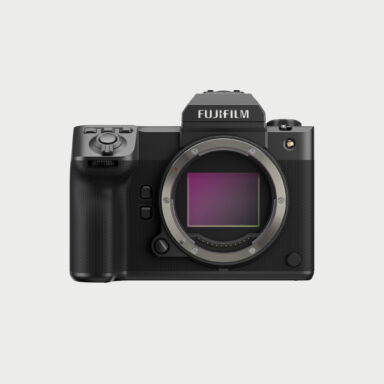
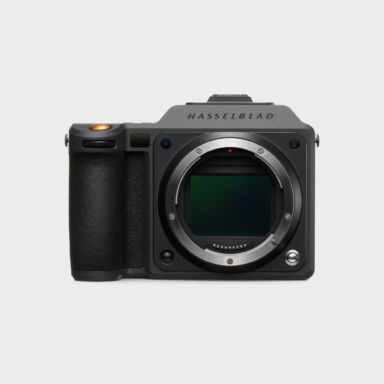
Today, their respective flagship models, the Fujifilm GFX100 II and the Hasselblad X2D II 100C, represent the most advanced expression of each brand’s vision. While they share similar sensor specifications on paper, these two medium format cameras are designed around very different priorities in terms of performance, ergonomics, workflow, and creative intent.
In this article, we compare the GFX100 II and the X2D II 100C to highlight how Fujifilm and Hasselblad approach medium-format photography today, and to help you understand which system best matches your photographic style and expectations.
Table of contents
Two philosophies of medium format photography
While Fujifilm and Hasselblad both operate in the medium-format segment, their cameras are built around two clearly different philosophies. Beyond sensor size and resolution, it is the intended use, shooting pace, and overall experience that truly separate these systems.
Versatility and performance-driven design
Fujifilm positions medium format as a versatile, high-performance platform rather than a slow, specialized system. The GFX line combines large-sensor image quality with fast operation, advanced autofocus, high burst speeds, and strong video features.
With the GFX100 II, this approach supports a wide range of uses, from studio and landscape to commercial and documentary work, delivering medium-format quality with the responsiveness of a professional hybrid camera.
Minimalism and photographic purity
Hasselblad adopts a focused, photography-first approach to medium format. The X system is built entirely around still image creation, prioritizing simplicity, design, and image character over versatility.
By deliberately excluding video features and favoring a slower shooting pace, Hasselblad emphasizes a refined, minimalist experience centered on thoughtful composition, consistent color rendering, and pure photographic output, appealing to photographers who value restraint and a more deliberate creative process.
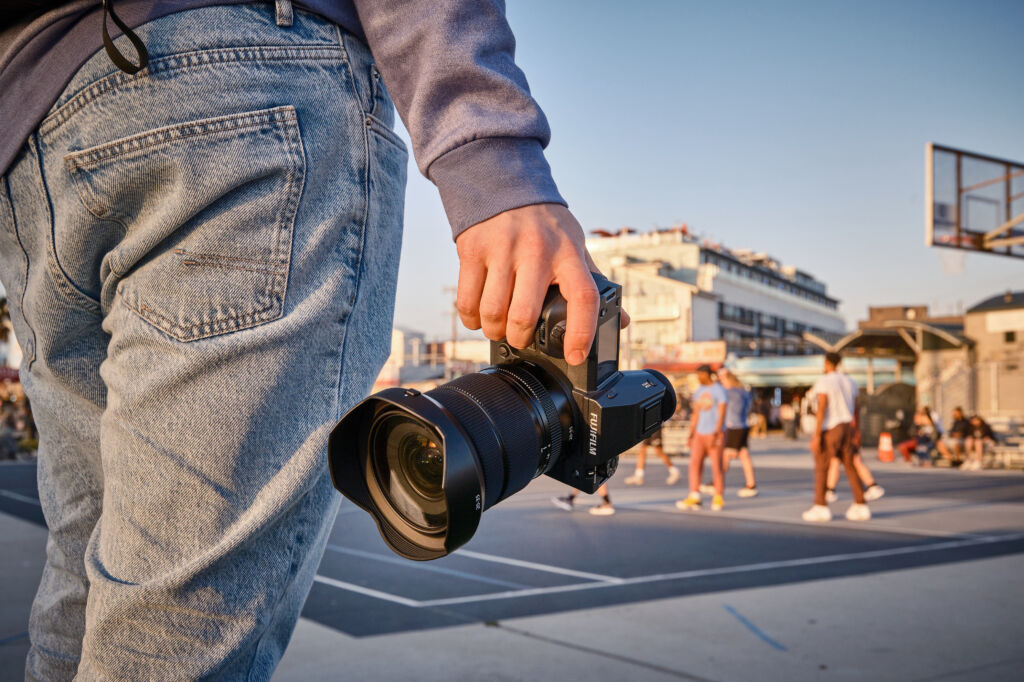
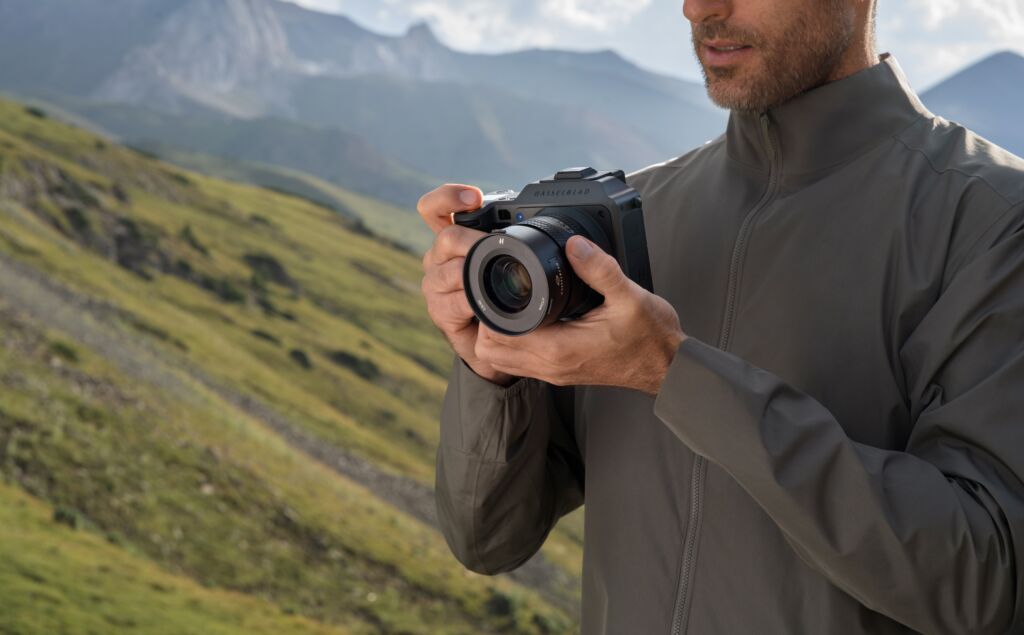
Image quality and sensor use
At the core of both systems lies a similar medium-format sensor size and resolution, but the way this sensor is used and interpreted differs noticeably between Fujifilm and Hasselblad. Image quality is exceptional on both sides, yet the shooting experience and output are shaped as much by processing choices as by pure hardware.
Resolution, processing and workflow
Both systems offer very high resolution for detailed images and large prints. Fujifilm focuses on speed and versatility, with processing power that supports fast operation, advanced autofocus, and efficient high-resolution workflows.
Hasselblad prioritizes consistency and simplicity, favoring clean, predictable files and a slower, more deliberate workflow suited to controlled shooting environments.
Color science and image rendering
Color rendering is one of the most distinctive differences between the two brands. Fujifilm leverages its long-standing expertise in film simulations, offering photographers a wide range of creative looks directly in camera. This encourages experimentation and allows images to take on a defined character early in the workflow.
Hasselblad focuses instead on neutrality and accuracy, aiming for consistent color reproduction across different lighting conditions.
Performance in real-world photography
Beyond specifications, real-world performance is defined by how a camera responds in the field: its autofocus behavior, shooting pace, and overall handling during extended use.
Autofocus philosophy
The GFX100II prioritizes speed and adaptability, with autofocus systems designed to track subjects reliably in a wide range of situations, including movement and dynamic scenes. This makes its medium-format approach more versatile for photographers working outside controlled environments.
Hasselblad with the X2D II 100C, adopts a more measured autofocus philosophy, focused on precision rather than speed. The system is optimized for deliberate shooting, where accuracy and consistency matter more than tracking fast-moving subjects.
Continuous shooting and pace
Shooting pace further highlights the difference in philosophy. The GFX100II is built to sustain higher shooting speeds, supporting longer bursts and more demanding workflows. This suits photographers who need responsiveness and efficiency.
Hasselblad favors a slower, more intentional rhythm. The reduced shooting speed encourages careful composition and reinforces a photographic approach centered on quality rather than volume.
Ergonomics and shooting experience
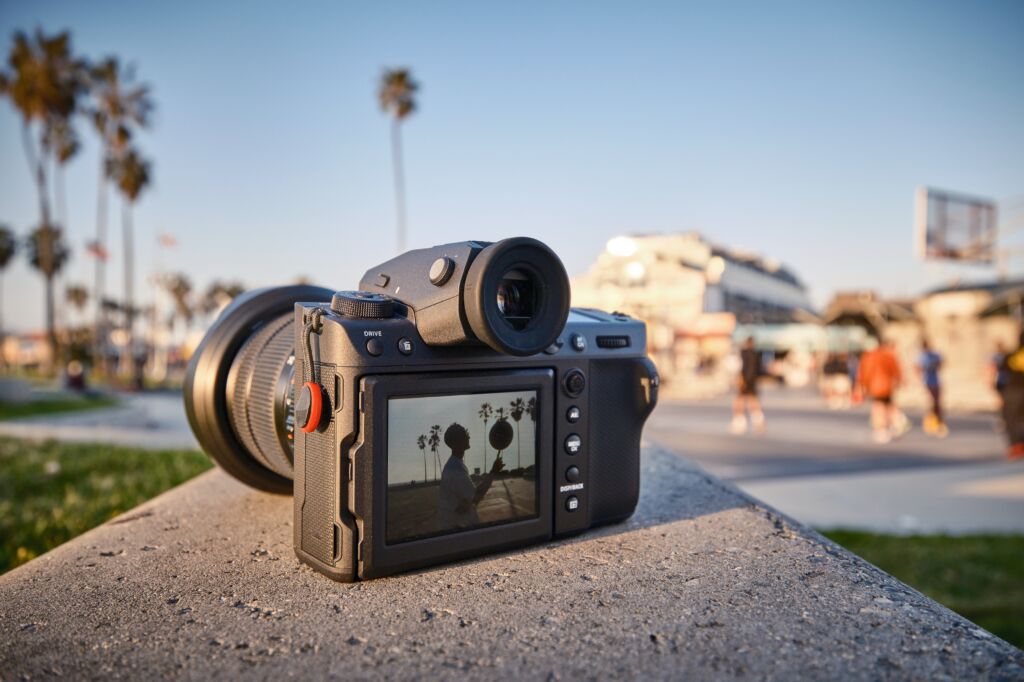
In use, Fujifilm bodies feel closer to professional hybrid cameras, with ergonomics designed for extended, intensive shooting sessions. Controls and handling support fast adjustments and frequent interaction.
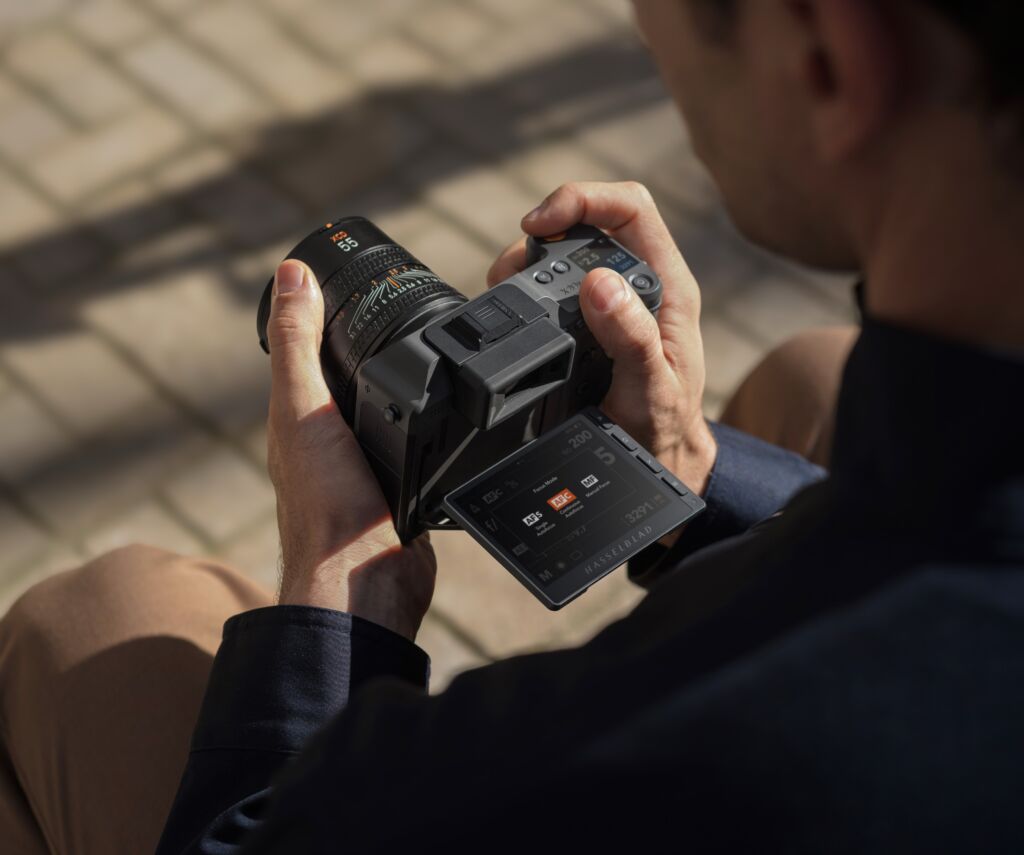
The X2D II 100C emphasizes simplicity and refinement. Its minimalist design and clean interface create a calm, focused shooting experience, appealing to photographers who value clarity, design, and an uncluttered creative process.
Which medium format approach is right for you depending on your photographic style?
Choosing between these two medium-format systems ultimately comes down to how you like to shoot and what you expect from your camera.
Choose the X2D II 100C if your photography is centered on still images, careful composition, and a refined shooting experience. It’s ideal for photographers who value simplicity, color accuracy, minimalist design, and a slower, more deliberate workflow focused purely on image quality.
Choose the GFX100 II if you need versatility and performance across a wider range of uses. Its speed, advanced autofocus, and video capabilities make it better suited to commercial, hybrid photo-video, and fast-paced workflows where flexibility and responsiveness matter as much as resolution.