
































Choosing a medium format camera within the Hasselblad system often comes down to two distinct bodies: the Hasselblad X2D II 100C and the Hasselblad 907X 100C.
While they belong to the same generation of medium format tools, they represent two different approaches to photography. One follows a modern, integrated design. The other is built around a modular concept rooted in the brand’s heritage.
The decision between them is not simply about performance. It is about handling, shooting experience and the way each camera fits into your daily workflow.
This article explores the practical differences between these two models to help you determine which direction aligns best with your photographic practice.
Table of contents
What these Hasselblad cameras have in common?
Both the Hasselblad X2D II 100C and the Hasselblad 907X 100C are built around the same 100-megapixel medium format sensor. In practical terms, this means identical image potential: high resolution, wide dynamic range, and refined color rendering consistent with Hasselblad’s image philosophy.
They also share access to the XCD lens ecosystem. Whether working with wide-angle, standard, or short telephoto focal lengths, photographers benefit from optics designed specifically for medium format digital capture.
Storage architecture and overall file management are similarly aligned, supporting demanding professional workflows and large RAW files without compromise.
From a purely imaging perspective, both cameras deliver the same level of output quality. The difference lies elsewhere.
Two different shooting philosophies
Integrated mirrorless design vs Modular system logic
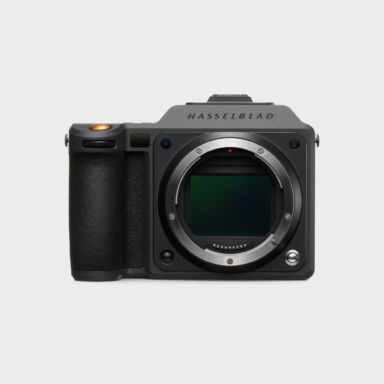
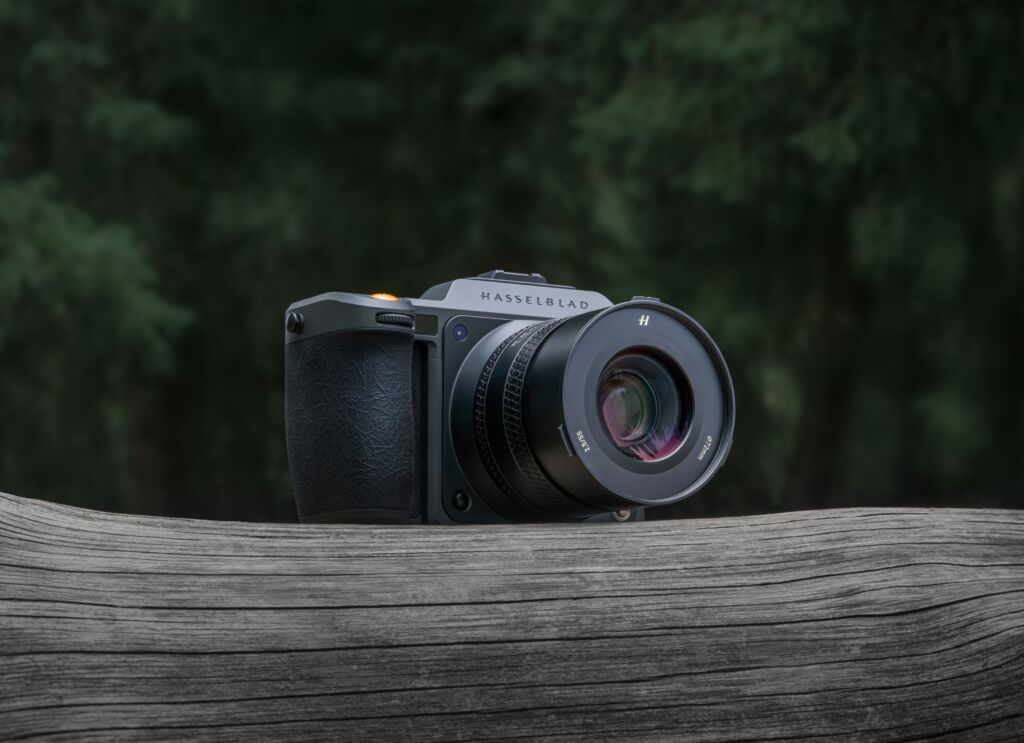
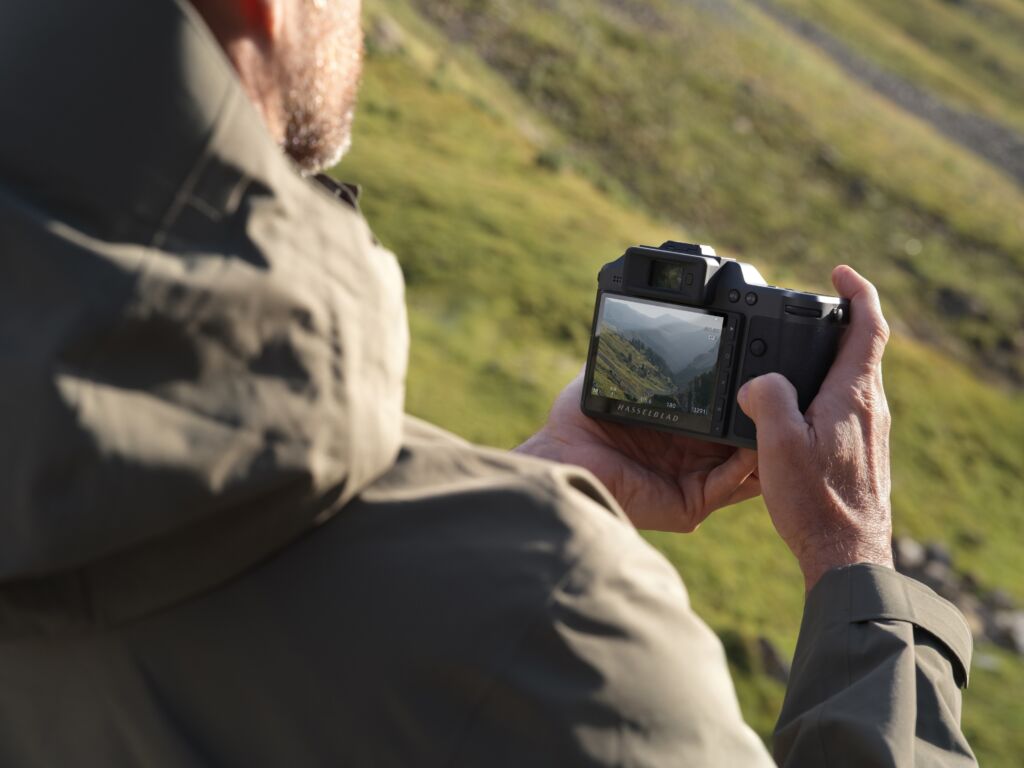
The Hasselblad X2D II 100C adopts a modern, fully integrated mirrorless design. Its monobloc construction, defined grip and direct controls create a fluid, efficient shooting experience, particularly for photographers used to contemporary digital systems.
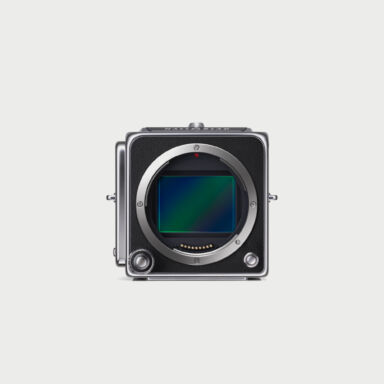
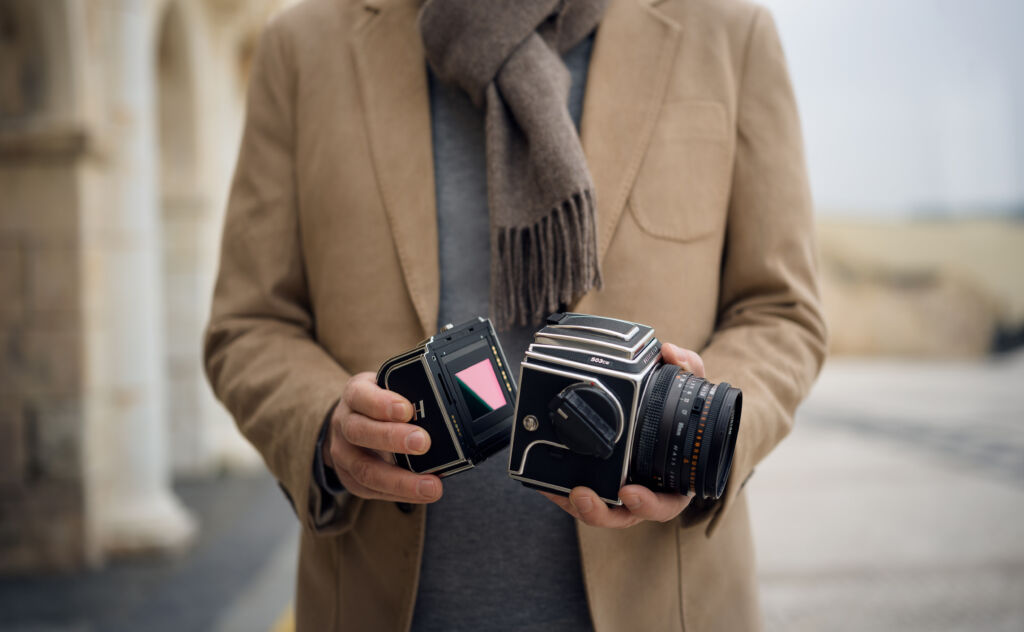
In contrast, the Hasselblad 907X 100C is built around a modular concept. The separation between body and digital back reflects a more system-oriented philosophy, offering flexibility and continuity within the Hasselblad ecosystem. The interaction is typically more deliberate, with a rhythm that encourages a slower, more intentional approach to image-making.
Stability and handheld flexibility
Handheld use is another factor to consider when choosing between the Hasselblad X2D II 100C and the Hasselblad 907X 100C.
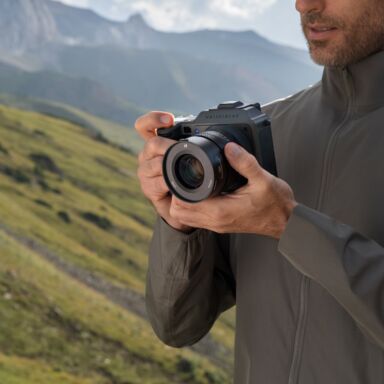
If you are looking for greater flexibility when working without support, the X2D II integrates in-body stabilization, which can provide additional comfort and confidence in more mobile situations or during extended handheld sessions.
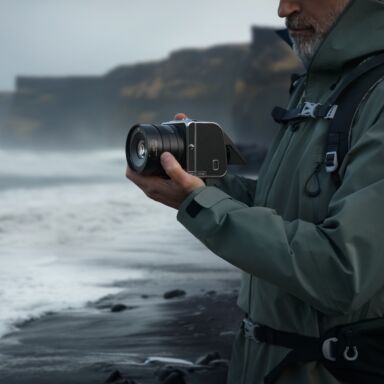
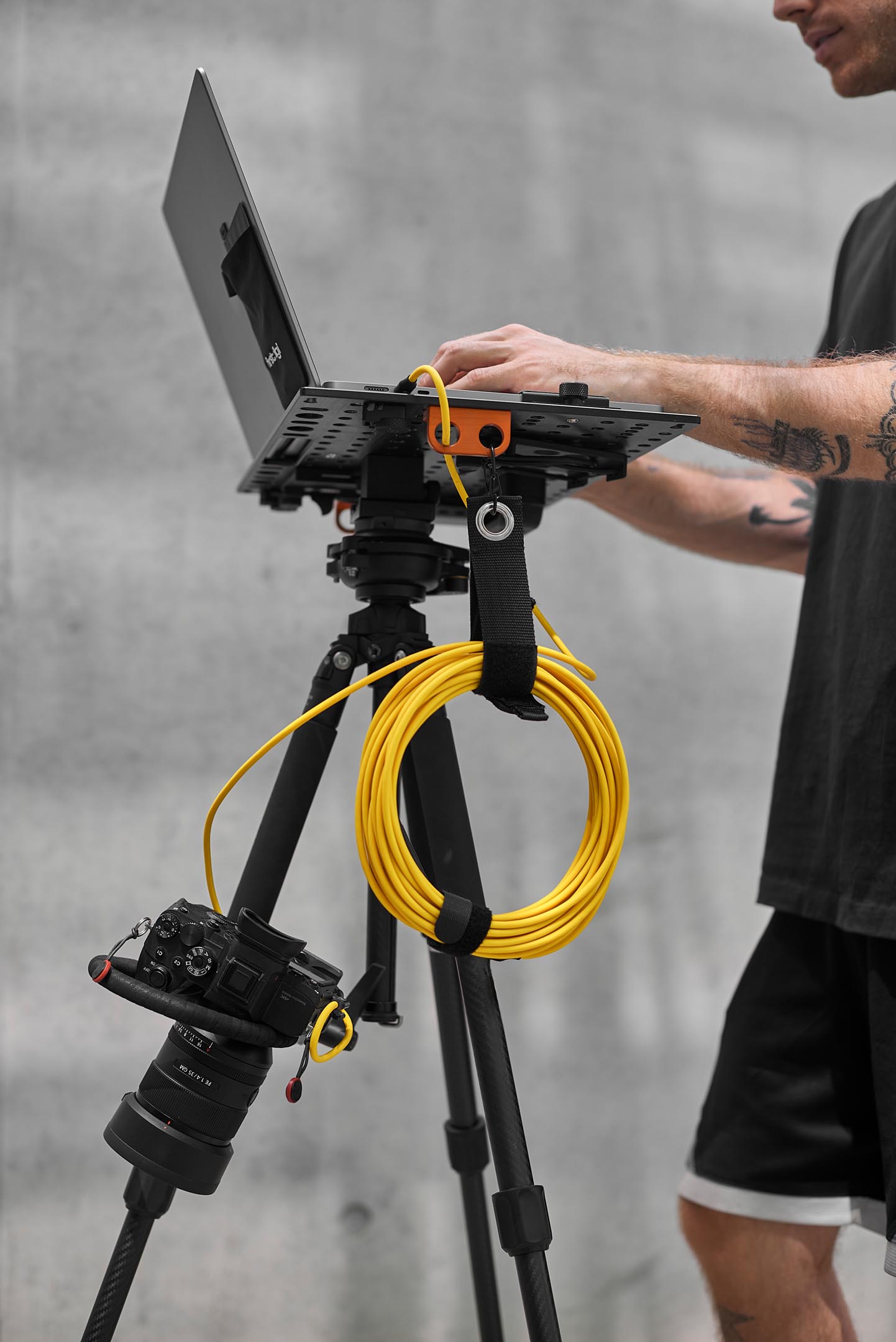
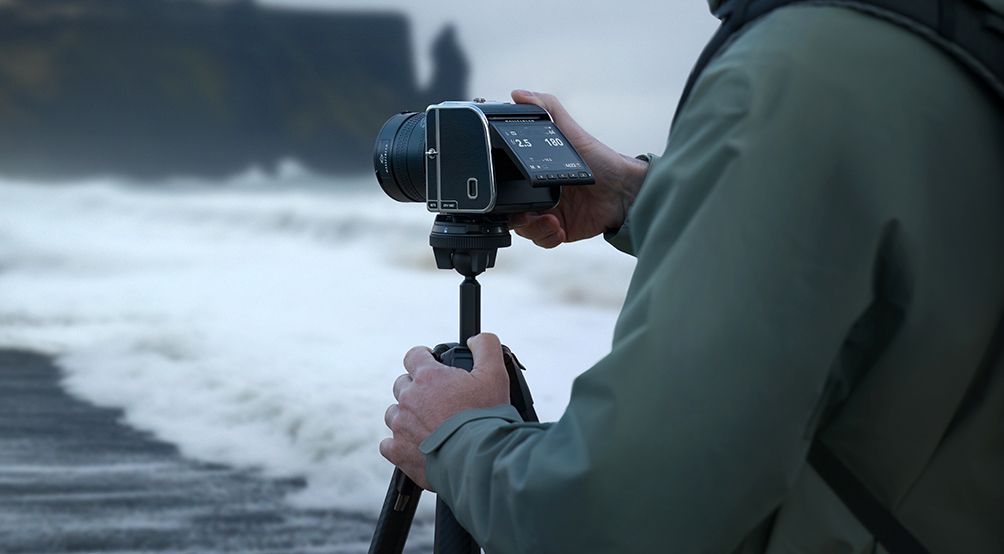
The 907X, on the other hand, is typically used in more structured setups where stability is managed externally, such as in studio environments or on a tripod. In this context, the absence of internal stabilization is less of a limitation and more a reflection of a different shooting approach.
The distinction is therefore not about output quality, but about how and where you prefer to work.
Framing experience and ergonomics
Framing is another area where the experience clearly diverges between the X2D and the 907X.
If you prefer eye-level composition with a built-in electronic viewfinder, the X2D II 100C offers a shooting posture close to contemporary mirrorless systems. This tends to support a more direct and reactive workflow, particularly in dynamic environments.
The 907X, by contrast, relies primarily on its tilting rear screen and optional viewing accessories. This encourages a different interaction with the subject, often closer to waist-level composition. The rhythm can feel slower and more deliberate, which suits photographers who value a more contemplative approach.
In this sense, ergonomics are not just design choices. They shape how you position yourself, how you frame, and how you engage with the scene.
How to choose based on your photography style
Beyond design and ergonomics, the real decision between the Hasselblad X2D II 100C and the Hasselblad 907X 100C depends on how you work on a daily basis.
Studio-oriented photographers
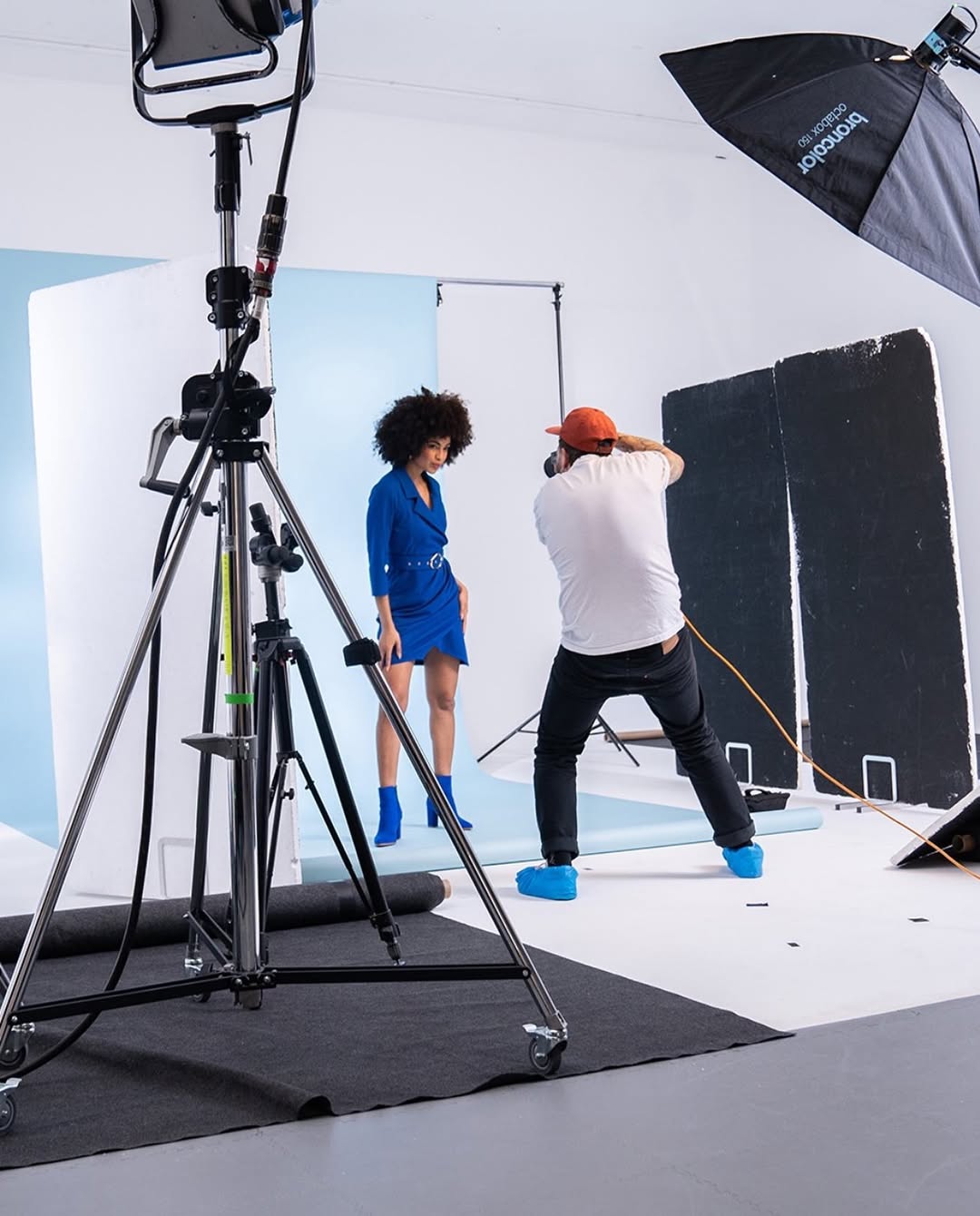
In a controlled environment, like a photo studio, the output is identical. The decision becomes ergonomic. The X2D II suits photographers who prefer an integrated body with direct controls and eye-level framing, especially in fast-paced commercial settings. The 907X 100C fits better within modular or technical setups and encourages a slower, more deliberate rhythm.
Outdoor and travel photographers
Mobility shifts priorities toward flexibility, stability and speed of execution. In this context, the X2D II is often the more versatile option. Its integrated design and in-body stabilization make handheld work more comfortable, especially during long days on location or when reacting quickly to changing light.
Hybrid creators
For photographers moving between studio, architecture, portraiture, and personal projects, the decision often comes down to interaction rather than output. Do you value speed and direct access? Or do you prefer modular flexibility and a more tactile approach? Answering that question clarifies the choice more effectively.
Making the right choice for your workflow
Choose the X2D II 100C medium format if you:
- Work frequently handheld and need greater flexibility
- Move between studio and location assignments
- Prefer an integrated body with eye-level framing
- Value speed, stability and direct controls
Choose the 907X 100C medium format if you:
- Prefer a modular system architecture
- Work primarily in controlled or tripod-based setups
- Appreciate a slower, more deliberate shooting rhythm
- Value system continuity and a tactile approach