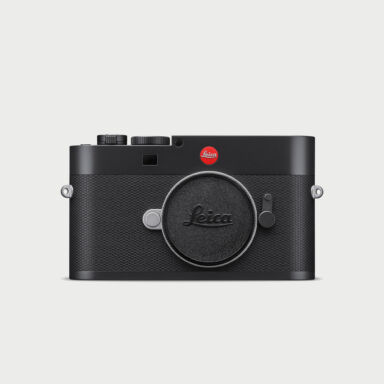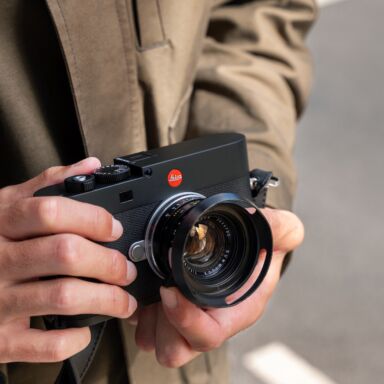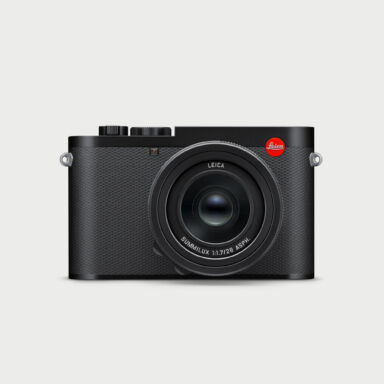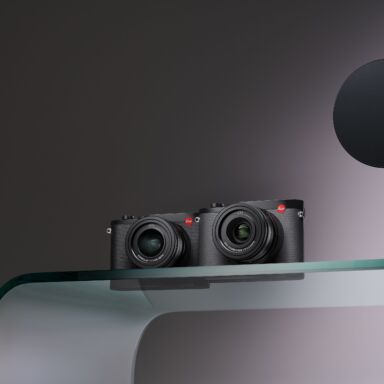


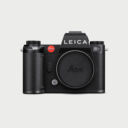

































At Leica, the choice of a camera body directly shapes the way you photograph, whether in terms of time, framing, or the overall shooting experience. The M11-P, M EV1, and Q3 clearly illustrate these different approaches.
Depending on each photographer’s habits and intended use, some favour a demanding, deliberate practice, while others look for greater fluidity and versatility.
In this article, we explore these three cameras and their respective approaches to help you identify the one that best matches your own photographic practice.
Table of contents
Three ways of photographing, defined by the camera
These cameras are designed for different photographic uses. Their design directly affects shooting rhythm, framing, and the way the photographer engages with the scene.
A demanding rangefinder approach with the M11-P
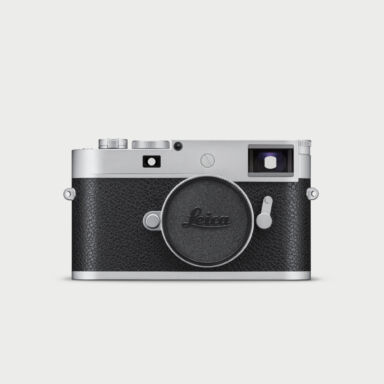
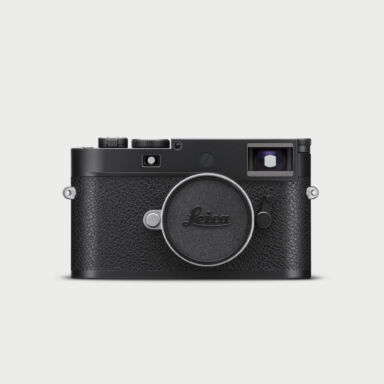
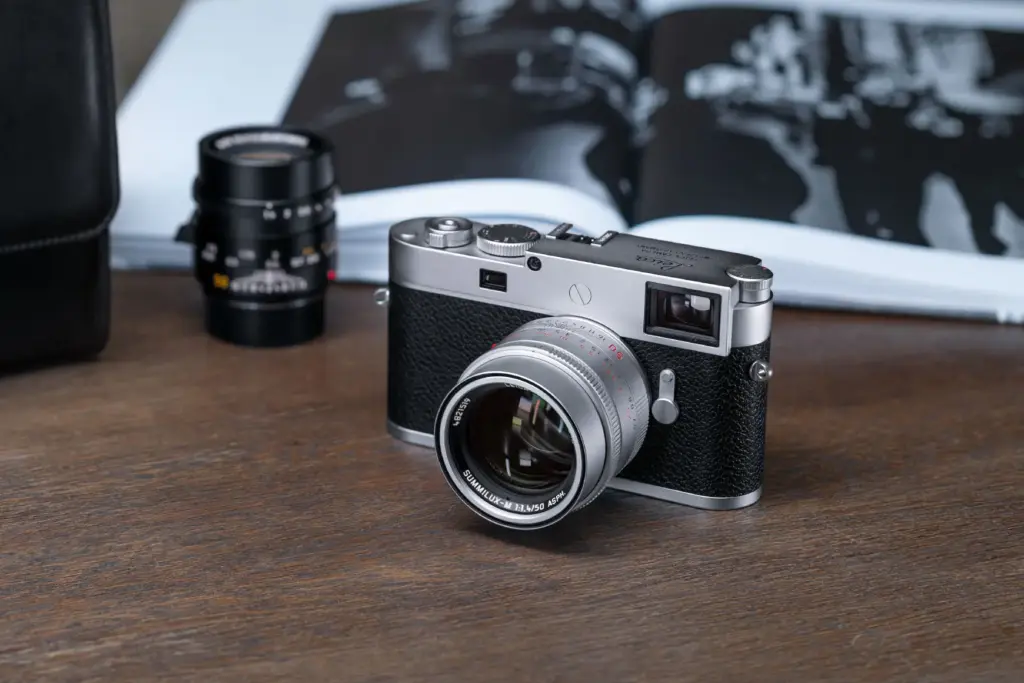
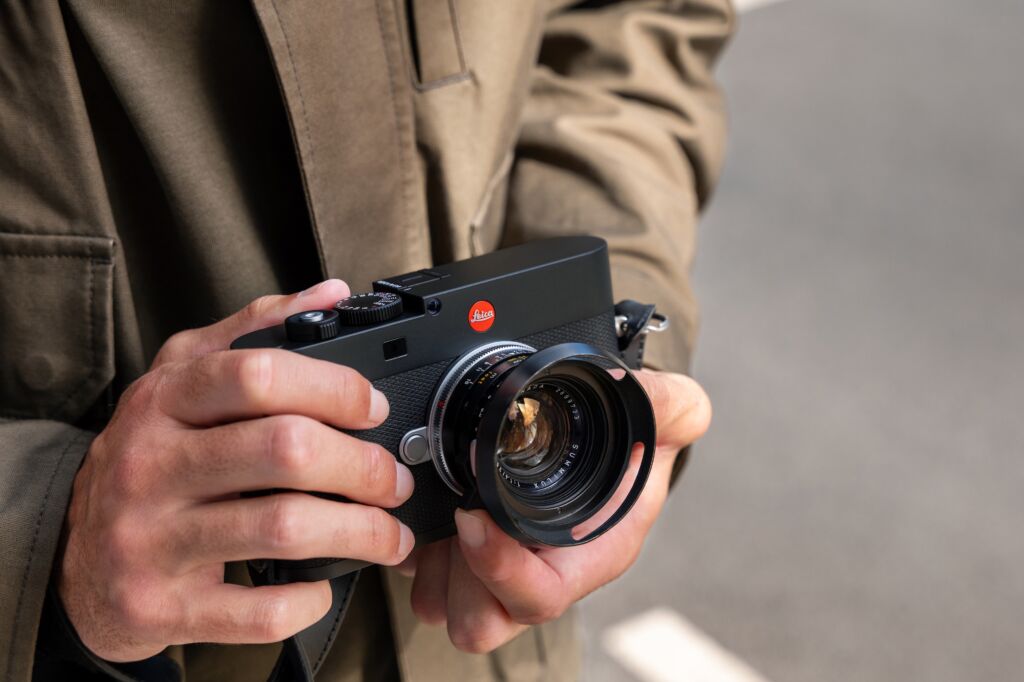
The M11-P follows the philosophy of the M system, relying on the photographer’s full involvement. The optical rangefinder viewfinder establishes a direct connection with the scene and encourages anticipation, both in framing and in the moment of release.
Manual focusing requires precision and attention, but it is an essential part of the shooting experience. The camera’s ergonomics support this approach, with a reduced set of controls designed for a deliberate and thoughtful way of working.
A refined balance between tradition and modernity with the M EV1
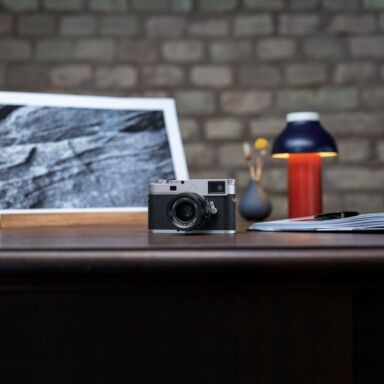
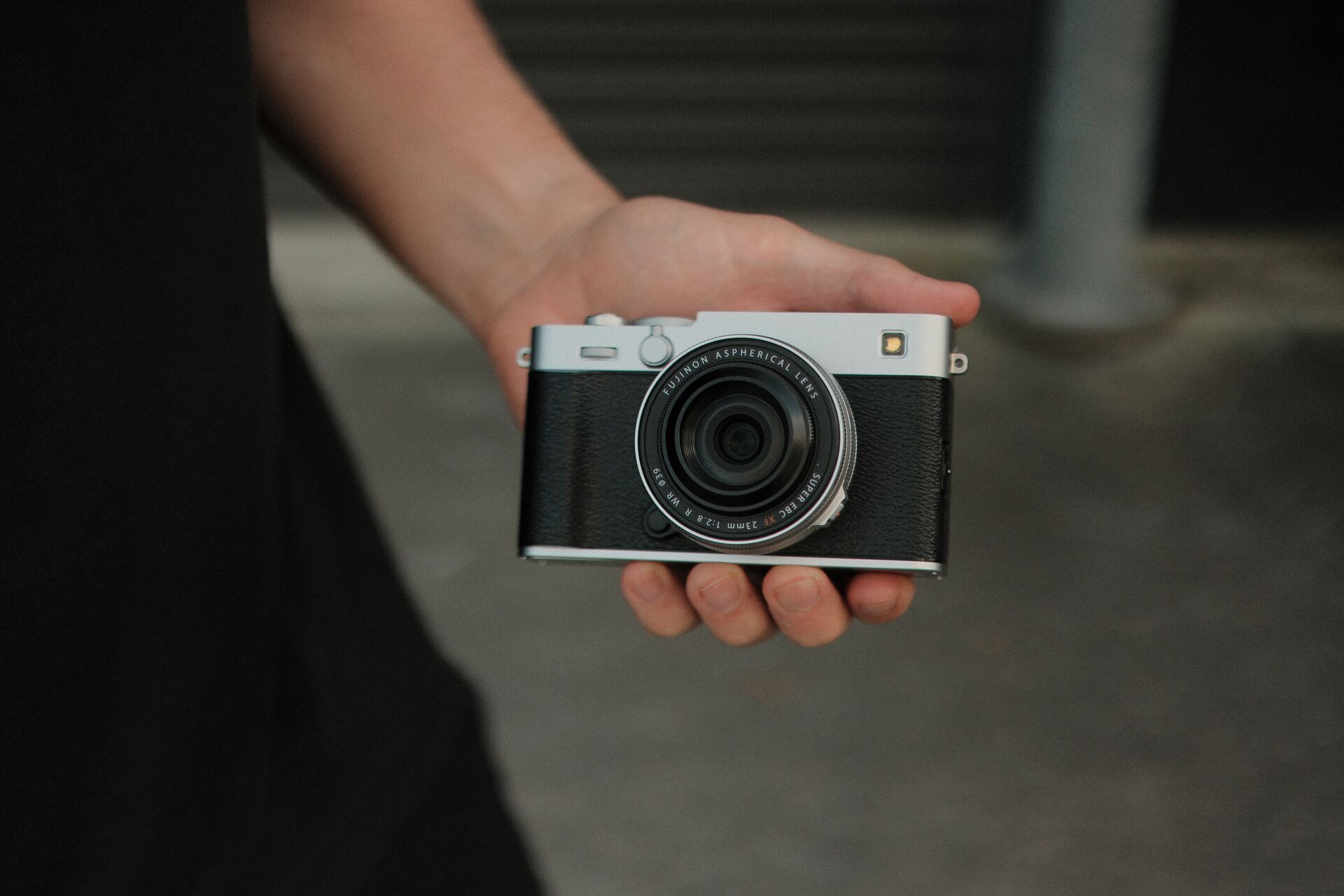
By incorporating an electronic viewfinder, the M EV1 introduces greater flexibility into the M system experience. It retains the compact form factor and distinctive ergonomics while providing immediate feedback on exposure and image rendering.
Focusing aids such as focus peaking and magnification assist manual focusing and make the process more efficient when precision or speed is required.
Fully compatible with all M-mount lenses, the M EV1 maintains the system’s flexibility while adapting to more contemporary shooting scenarios.
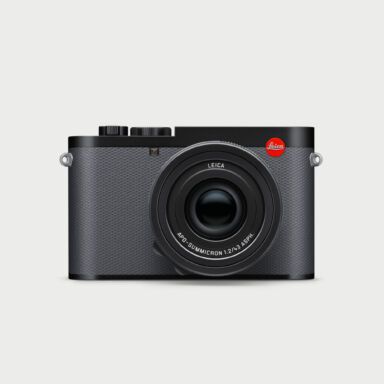
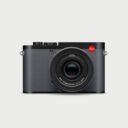
A fast and responsive approach with the compact Q3
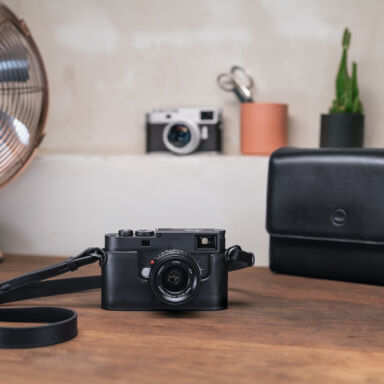
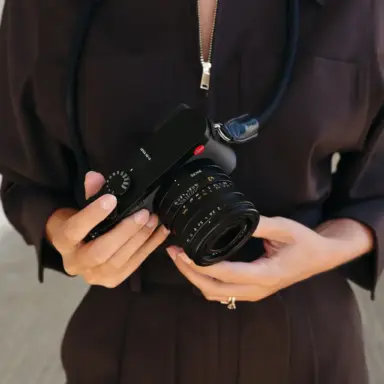
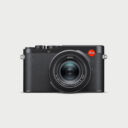
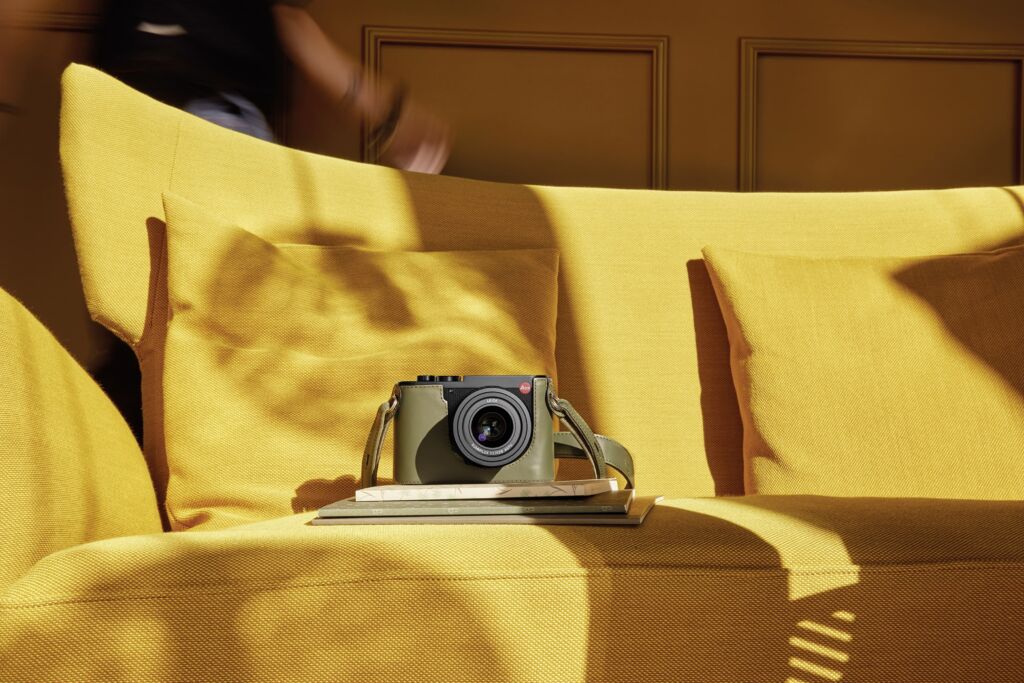
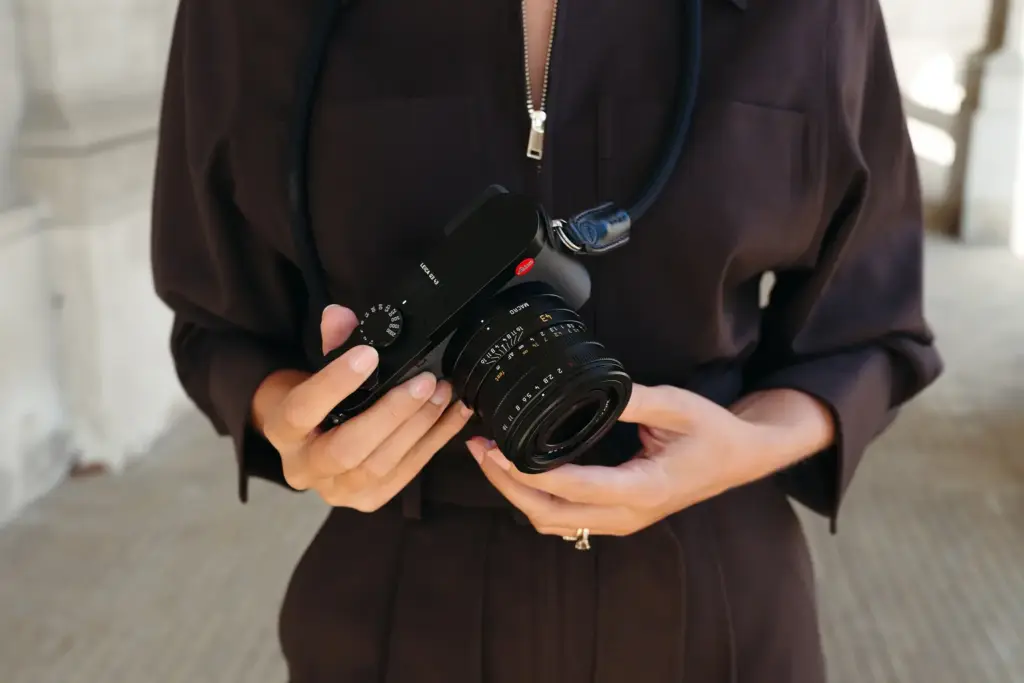
The compact Q3 is built around speed and consistency. Its electronic viewfinder and autofocus allow for immediate shooting, making it well suited to situations where responsiveness is critical.
The fixed lens, optimised for the sensor and camera as a single unit, simplifies the photographic process. This design reduces technical choices at the moment of shooting and helps the photographer stay focused on the scene.
How these approaches make a practical difference in the field
The different approaches of these three cameras have a direct impact on the way photography is practiced in real-world situations. The choice of camera determines shooting pace, the photographer’s posture, and the relationship that develops with the subject, whether in calm or more unpredictable environments.
Shooting pace and relationship to the subject
The M11-P encourages a deliberately slower rhythm, leaving room for observation and anticipation before the moment of capture. This sense of timing supports a more constructed approach to photography, where each image is considered in advance.
By contrast, the M EV1—and even more so the Q3—favour a more fluid and continuous way of working. They allow for a more spontaneous response and make it easier to adapt quickly to changes within a scene, without breaking the flow of action.
Anticipating versus reacting to a scene
Depending on the camera used, photography relies either on anticipation or on the ability to react immediately. With a rangefinder approach, the photographer observes the scene, prepares the framing, and waits for the decisive moment before releasing the shutter. This method encourages a thoughtful and intentional construction of the image.
Conversely, cameras equipped with an electronic viewfinder and shooting aids enable faster reactions as a scene evolves. The act of photographing becomes more instinctive, with fewer adjustments required at the moment of capture.
These two approaches coexist and respond to different contexts, directly shaping the photographer’s relationship with the subject.
Which camera to choose for your photographic practice?
Discover which of the three cameras best fits your way of working.
A slow and contemplative photographic approach
If you favour a considered style of photography that allows time for observation and careful image construction, the Leica M11-P fits naturally into this approach. It establishes a slower rhythm, built around observation and anticipation.
This practice relies on strong involvement from the photographer, where full control over framing and focus is an integral part of the creative process.
A faster yet traditional photographic approach
If you wish to remain within the M system while gaining speed, the M EV1 aligns naturally with this approach. It preserves a manual and engaged way of working, while offering greater fluidity in the field.
This setup suits situations where the pace increases, without giving up control or the familiar reference points of the M system.
A mobile and versatile photographic approach
If you are looking for a camera focused on responsiveness and fluidity, the Q3 is a natural choice. It supports shooting in motion and changing environments, where speed of execution is essential.
These characteristics make it easier to capture the moment efficiently, without disrupting the shooting rhythm.