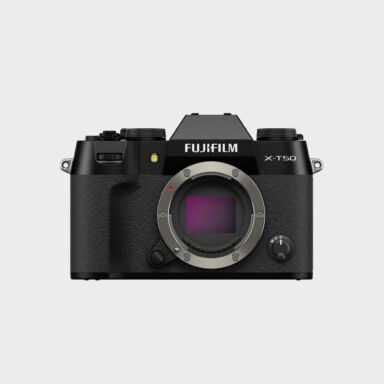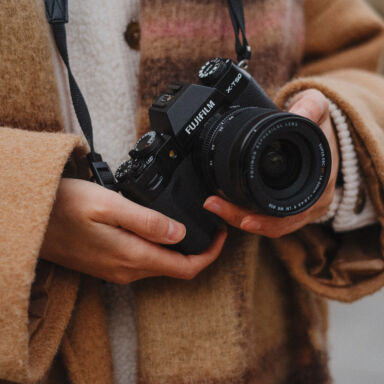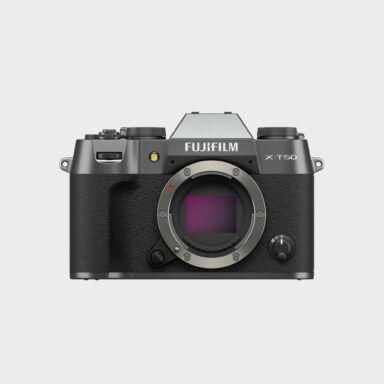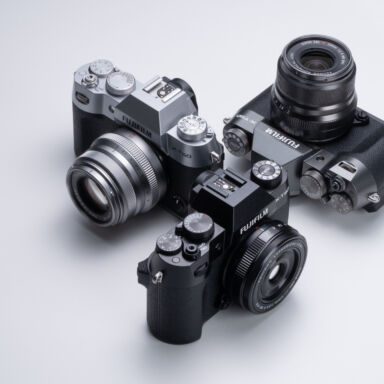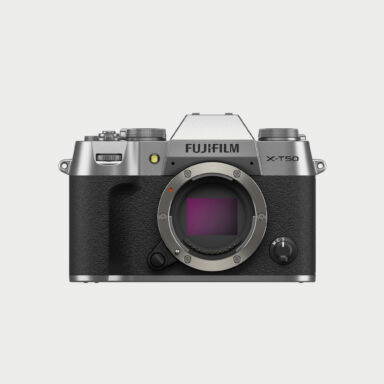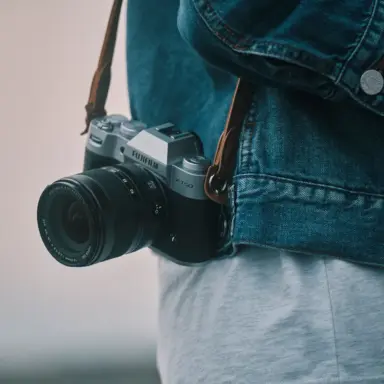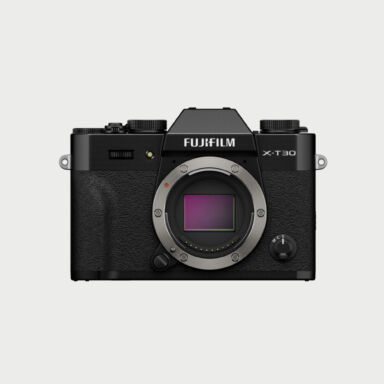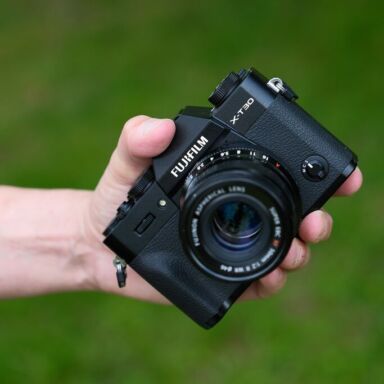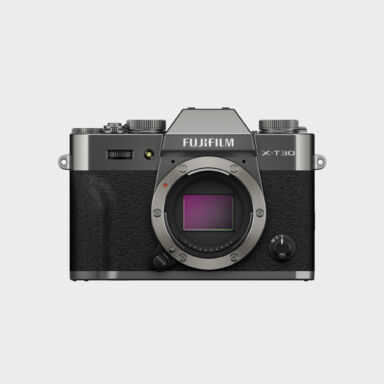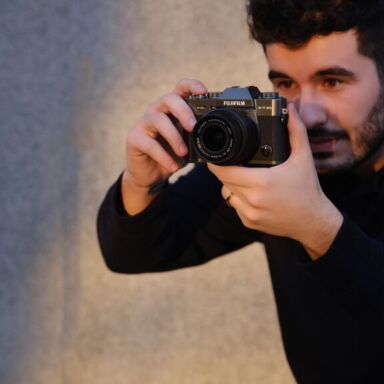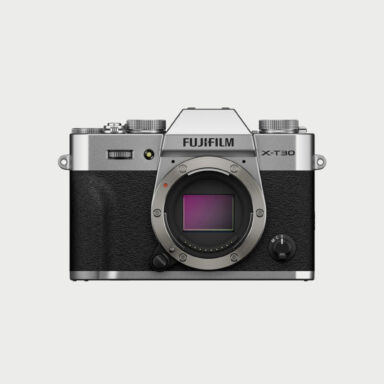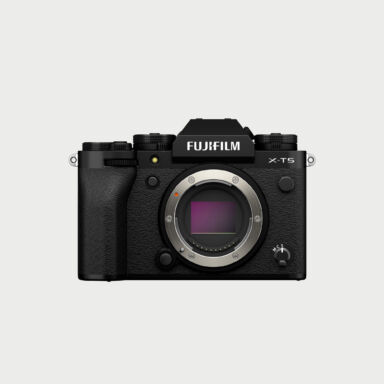





















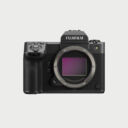
Fujifilm’s X lineup includes several APS-C cameras that may appear similar at first glance but are designed for different types of photographers. Among them, the X-T50, X-T5, and X-T30 III each offer a distinct balance of features, size, and shooting approach.
This article compares the Fujifilm X-T50, X-T5, and X-T30 III to clarify their positioning, key strengths, and intended use, helping you choose the camera that best matches your photography style.
Table of contents
Size, handling and shooting experience
These three Fujifilm X cameras share a similar design philosophy, but differ noticeably in how they feel in hand and how they perform in everyday use.
Portability and everyday use
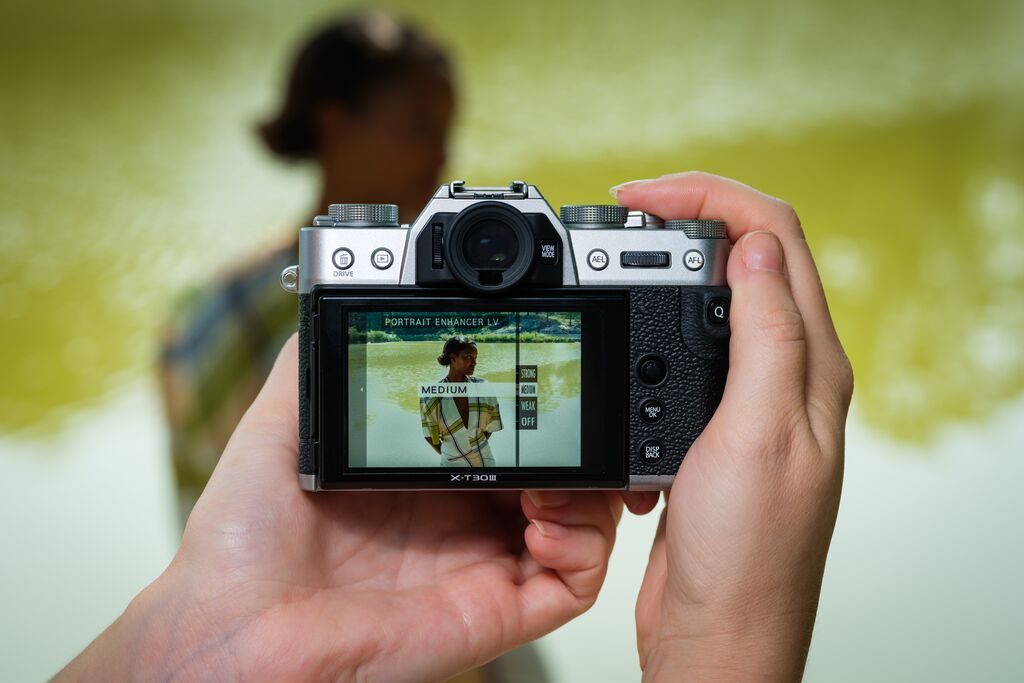
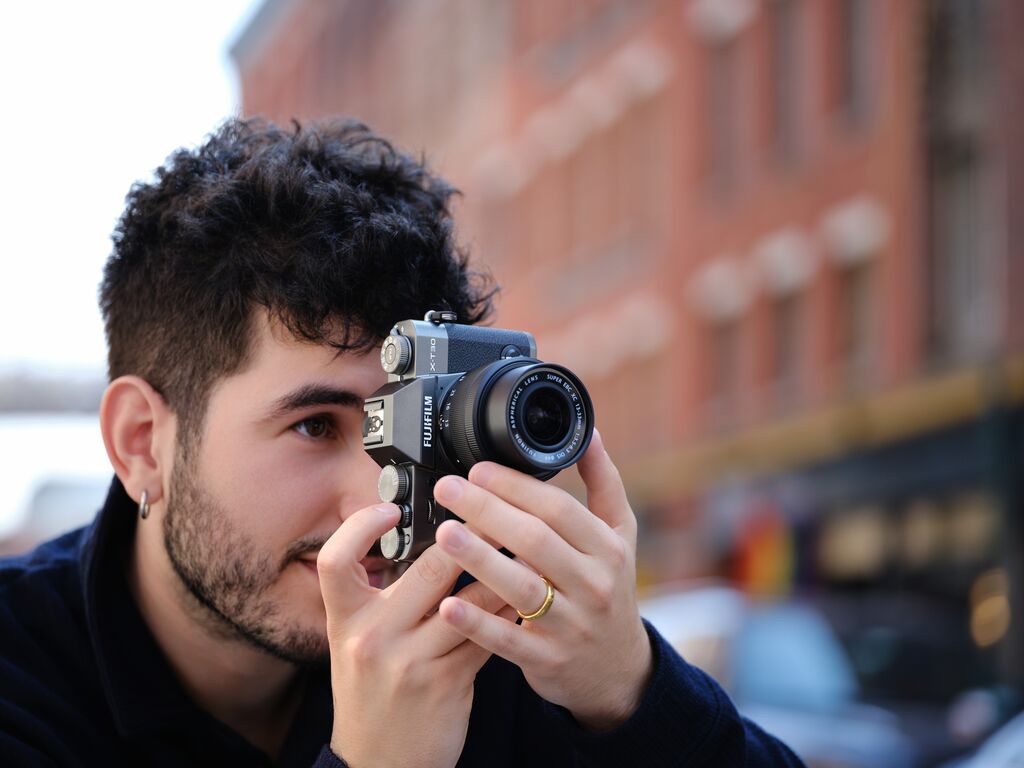
Portability plays an important role in how these cameras are used day to day. Among the three, the X-T30 III is the most compact and lightweight option at around 378 g, making it particularly well suited to everyday carry and travel photography.
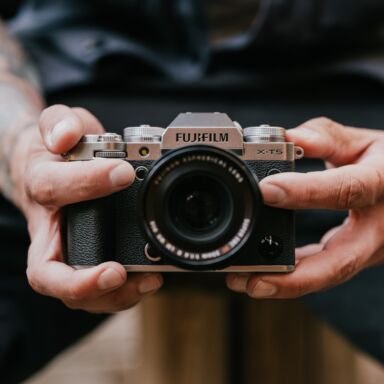
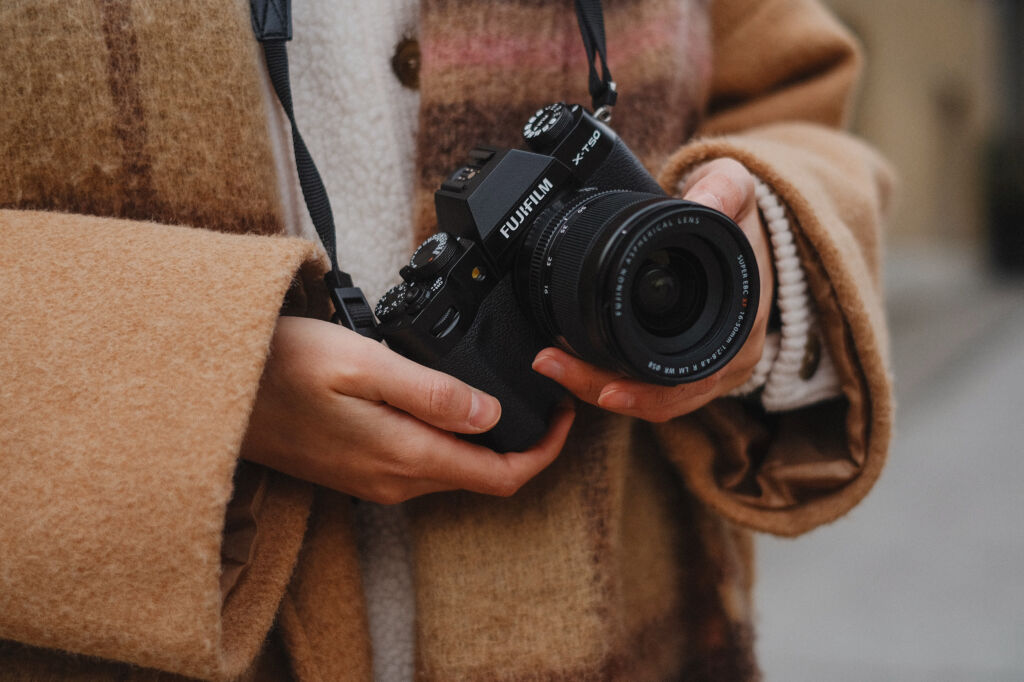
The X-T50 remains easy to handle despite being slightly larger and heavier at around 438 g due to its in-body image stabilization, offering a balanced mix of portability and comfort thanks to its rounded body and improved grip.
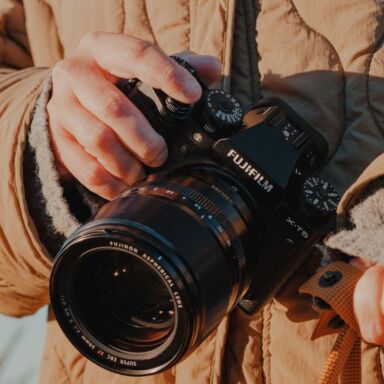
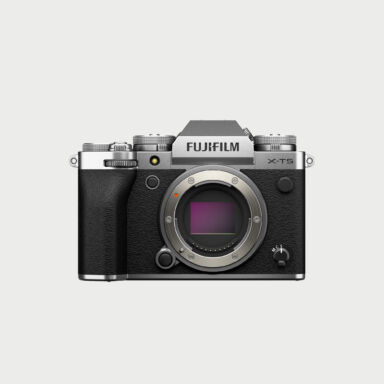
The X-T5, at approximately 557 g, is the largest of the trio and feels more like a robust, purpose-built camera, favoring stability and control over a pocketable form factor.
Grip, controls and ergonomics
Across the range, Fujifilm’s analog-inspired control layout emphasizes tactile shooting, with dedicated dials offering direct access to key settings. On the more compact bodies, this results in an intuitive but tighter control layout, reinforcing a discreet and lightweight feel.
The X-T50 subtly improves comfort with a refined grip, rounded design, and a dedicated film simulation dial, making it easier to handle during long shooting days. With its larger body and more generous grip, the X-T5 delivers the most substantial and stable handling experience, particularly appreciated when working with heavier lenses or fine manual adjustments.
Viewfinder and screen experience
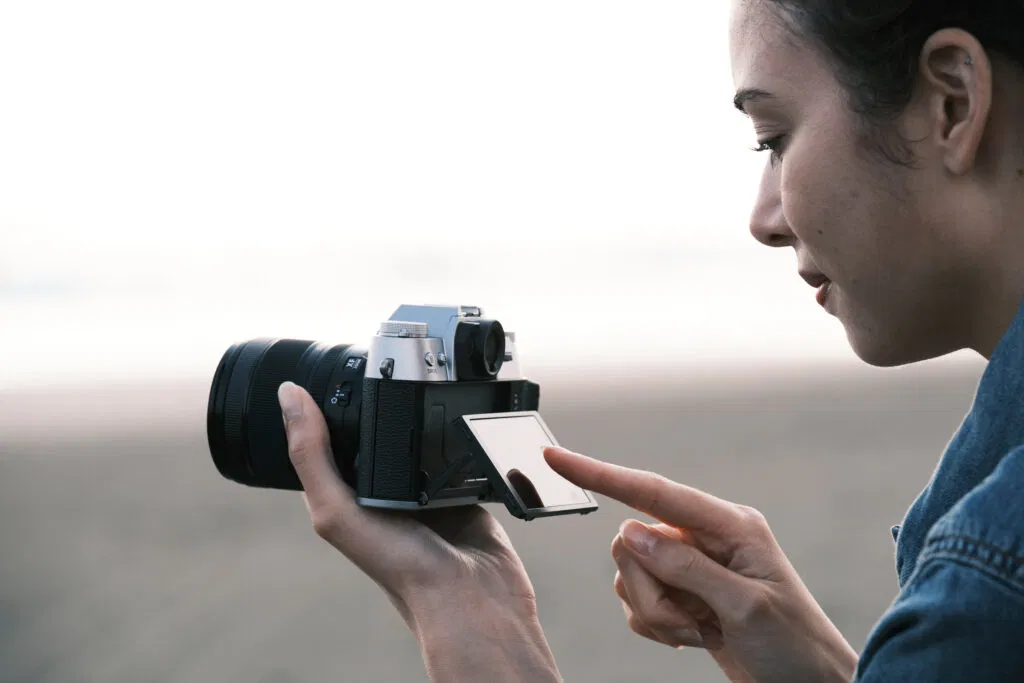
The viewfinder and screen experience varies slightly across the three models. The X-T30 III uses a built-in electronic viewfinder paired with a tilting touchscreen, offering a practical and flexible setup for everyday and street photography. The X-T50 relies on a similar configuration but feels a bit more refined in use, providing a smoother experience for frequent shooting. The X-T5 goes further with a higher-resolution electronic viewfinder and a three-way tilting screen, offering greater flexibility and precision, particularly for landscape and low-angle composition.
Image quality and creative output
While all three cameras deliver strong image quality, they differ in resolution, workflow, and creative flexibility.
Resolution approach and image detail
Image quality is a strong point across all three cameras, but they differ in how they approach resolution. The X-T30 III relies on a lower-resolution sensor that delivers very good detail while keeping files manageable, making it well suited to everyday photography and fast workflows.
The X-T50 and X-T5 both use higher-resolution sensors, offering increased image detail and more flexibility for cropping or large prints. This added resolution benefits landscape and studio work, though it also demands more attention to focus accuracy and storage.
Fujifilm color science and film simulations
All three models benefit from Fujifilm’s renowned color science, which plays a major role in their creative appeal. Film simulations are available in all bodies, allowing photographers to achieve distinctive looks straight out of camera.
The newer bodies like the X-T50 expand these creative options with a broader range of simulations, reinforcing Fujifilm’s focus on color, character, and in-camera image styling rather than heavy post-processing.
Performance in real-world photography
Beyond specifications, real-world performance depends on how each camera handles autofocus, responsiveness, and sustained shooting in everyday situations.
Autofocus behavior and subject tracking
In everyday shooting, all three cameras deliver reliable autofocus performance, but with different levels of sophistication. The X-T30 III handles single-point autofocus and basic subject detection well, which is sufficient for street, travel, and general photography.
The X-T50 and X-T5 benefit from more advanced subject recognition and tracking, making them better suited to situations involving movement, such as people, animals, or dynamic scenes, where consistency and accuracy matter more.
Responsiveness and shooting pace
Responsiveness also varies depending on shooting style. The X-T30 III feels quick and intuitive for spontaneous photography, with minimal lag and a lightweight shooting experience.
The X-T50 offers a slightly more responsive and refined feel overall, especially when navigating menus or shooting continuously. The X-T5 stands out during longer or more demanding sessions, where its more robust body and processing power contribute to a steadier, more confident shooting rhythm.
Differences in continuous shooting
When it comes to continuous shooting, the X-T5 clearly offers the strongest performance. It is the most comfortable option for sustained burst shooting and fast action, making it the best choice for photographers who regularly work with moving subjects. The X-T50 sits in between, providing faster burst capabilities than the X-T30 III and handling motion more confidently. The X-T30 III remains suitable for occasional bursts but is not designed for intensive or prolonged action photography.
Which camera fits your photography style?
Choosing between these cameras mainly comes down to how and where you plan to use them. While they share a similar design philosophy, each model is better suited to specific shooting contexts and photographic priorities.
Street and everyday photography
For street and everyday photography, compact size and discretion are key. The X-T30 III is well suited to this type of use thanks to its lightweight body and quick handling, while the X-T50 offers a similar approach with added stabilization for more flexibility in varied shooting conditions.
Travel and lightweight setups
When traveling, versatility and portability matter most. The X-T30 III and X-T50 both fit easily into lightweight setups, making them practical choices for long days on the move. The X-T50 stands out for photographers who want extra stability without significantly increasing size or weight.
Landscape and detail-oriented work
Landscape photography benefits from resolution, stability, and precise composition. The X-T50 and especially the X-T5 are better suited to this type of work, with the X-T5 offering the most comfortable handling for careful framing and high-detail images.
Hybrid photo and video creators
For hybrid shooters who regularly switch between photo and video, the X-T50 and X-T5 provide more advanced hybrid capabilities. Their stronger video features and autofocus performance make them more adaptable for mixed-content workflows compared to the more photography-focused X-T30 III.