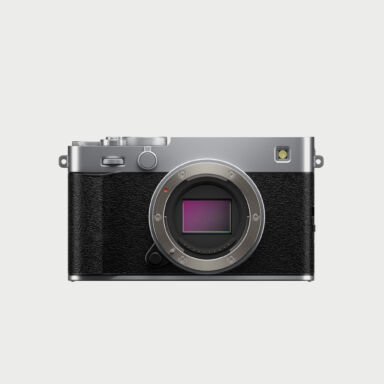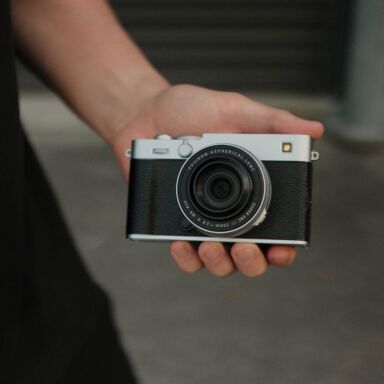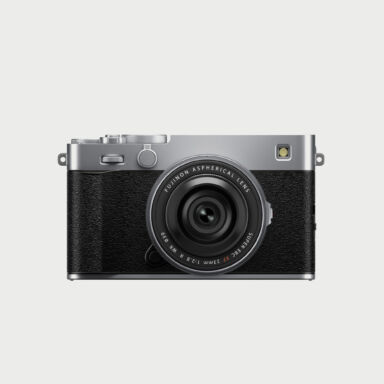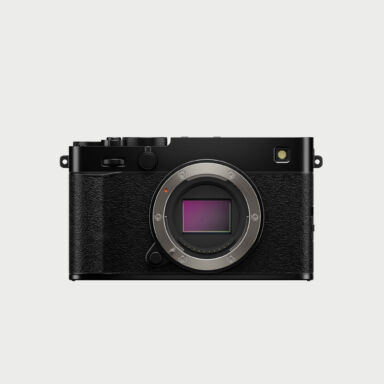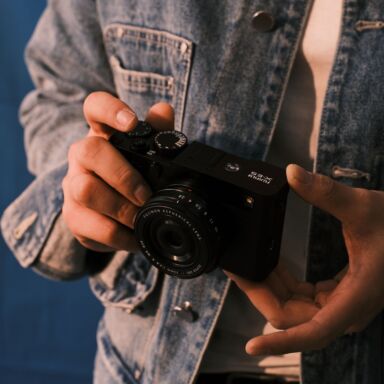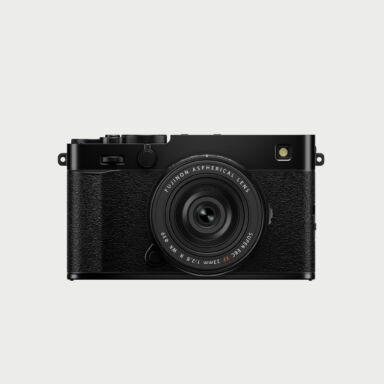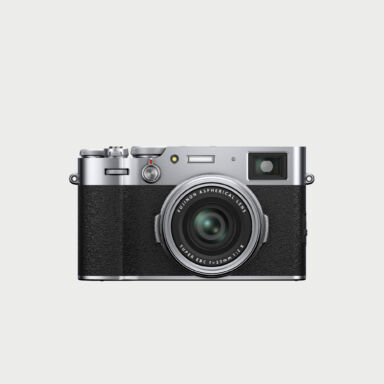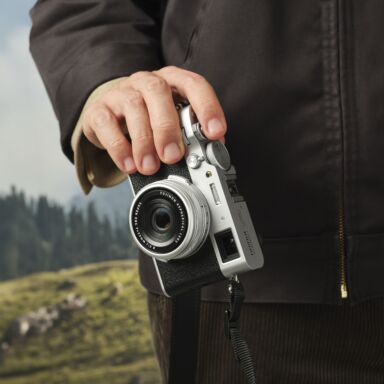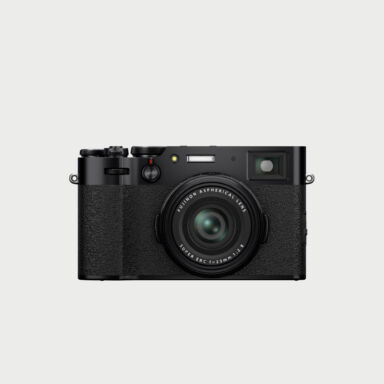




































The Fujifilm X-E5 and the X100VI share the same technical foundation: a 40.2 MP APS-C X-Trans CMOS 5 HR sensor, X-Processor 5, and in-body image stabilization. In practice, photo performance and image quality are therefore very similar on both cameras.
The differences lie mainly in the shooting experience and ergonomics. The choice between these two models depends above all on the way you photograph, particularly the type of lens used and the approach adopted in the field.
Table of contents
Fixed or interchangeable lens: What this really means
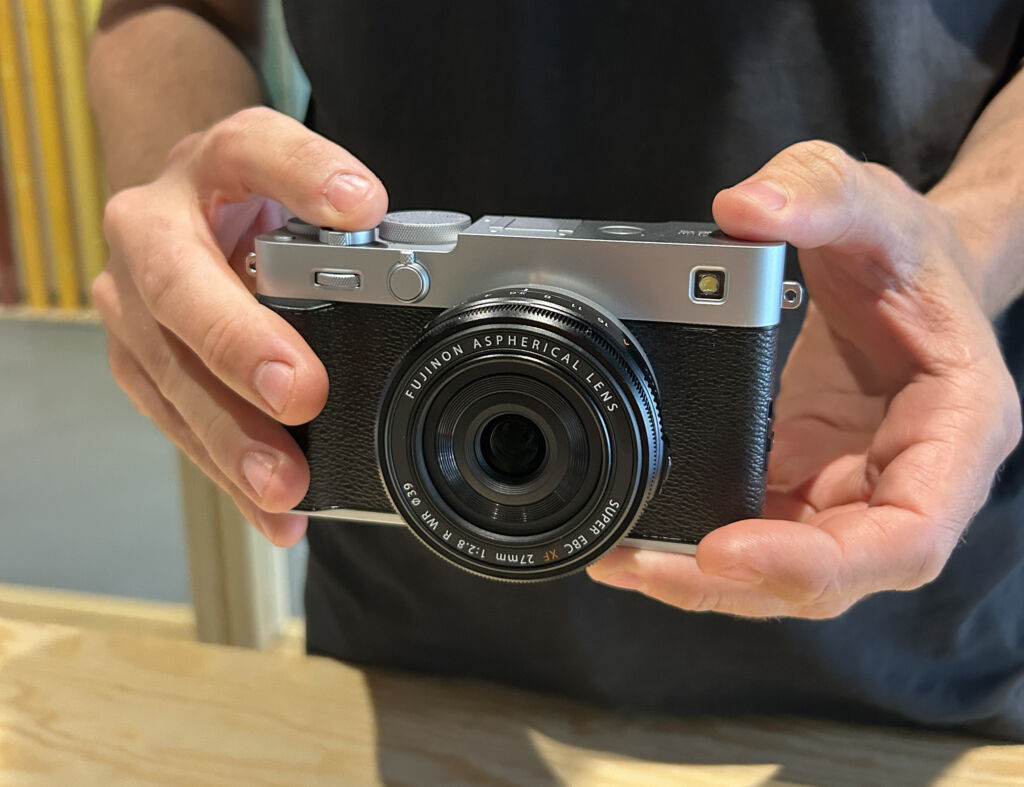
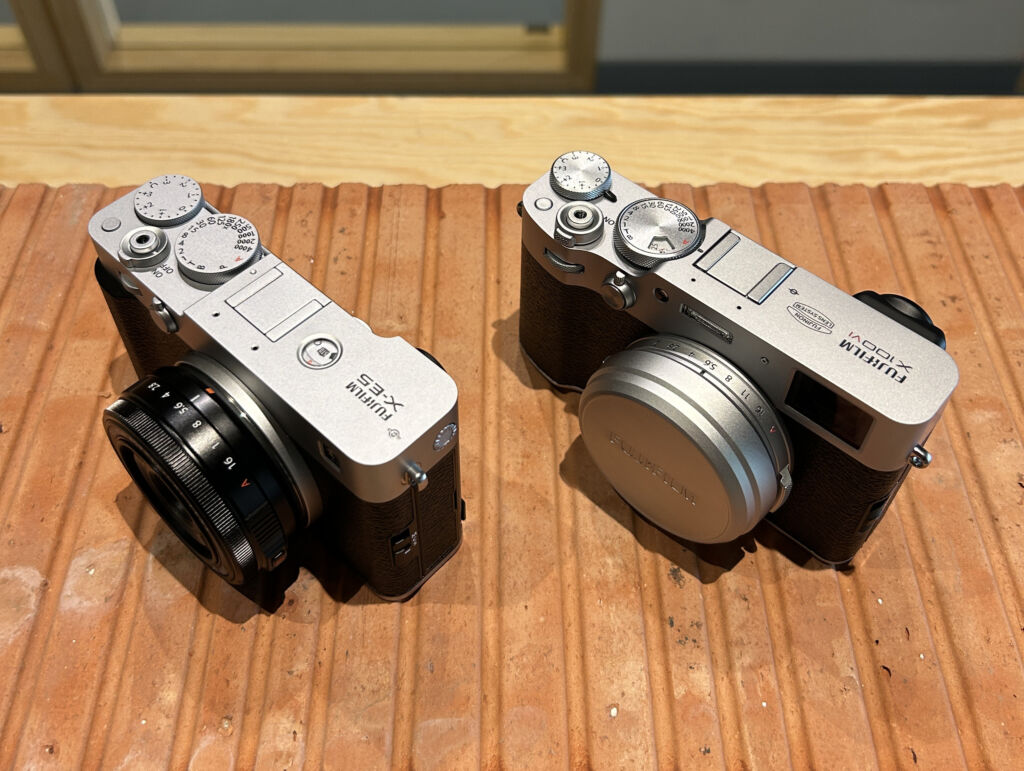
One of the first elements to consider between the X-E5 and the X100VI is the type of lens. The X-E5 allows you to change lenses, while the X100VI is built around a fixed lens. This choice directly shapes the way you photograph and work in the field.
The X100VI is designed around a fixed lens 23 mm f/2, combined with a leaf shutter and a built-in ND filter. This configuration imposes a single focal length but encourages a coherent and fluid shooting experience. It also allows for quieter shutter operation and simpler light management outdoors, without the need for additional accessories.
The X-E5 takes a different approach with its X mount and interchangeable lenses. It offers greater freedom in framing and long-term system evolution. The absence of a built-in ND filter and leaf shutter sets it apart from the X100VI in practical use, but this is offset by slightly more effective image stabilization, reaching u
Street photography and everyday use: which one fits your needs?
Discretion and compactness in real-world situations
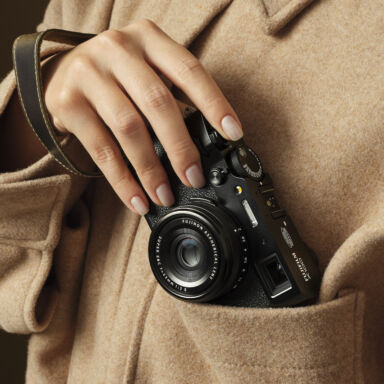
Both cameras are compact and well suited to street photography and discreet everyday use. Their small form factor makes it easy to stay mobile and unobtrusive in public spaces.
The X100VI stands out with its hybrid optical/electronic viewfinder, highly valued in street photography. The optical viewfinder allows photographers to anticipate subjects entering the frame, while the fixed lens, built-in ND filter and LED flash reinforce a sense of autonomy and simplicity in the field.
Slightly lighter, the X-E5 takes a different approach. In the absence of an optical viewfinder, it offers specific display tools such as Classic Display, which shows only the exposure mode, exposure settings and battery indicator in red, mimicking a vintage LED-style display, as well as the Surround View function, which makes it possible to visualize the area outside the frame when using digital crop. These choices change the relationship to framing and the scene, without attempting to replicate the hybrid viewfinder experience of the X100VI.
Responsiveness in unpredictable scenes
Both the X-E5 and the X100VI feature in-body sensor stabilization, with a slight advantage for the X-E5, reaching up to 7 stops of correction compared to 6 stops on the X100VI. This difference is mainly noticeable in low-light conditions or when shooting handheld.
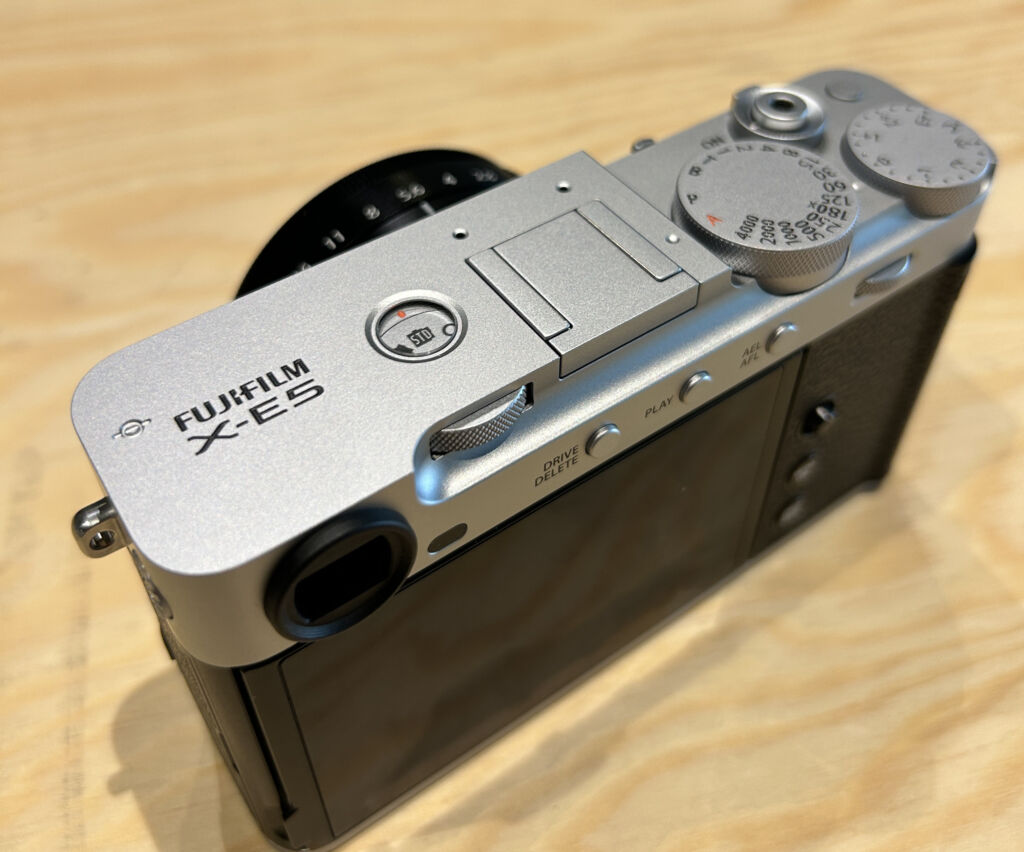
Autofocus is based on the same subject-detection algorithms, with extended recognition capabilities. The X-E5 stands out with more flexible AF zone management, including adjustable AF shapes, as well as a pre-shutter mode designed to anticipate fast-moving scenes. The X-E5 also introduces a new film simulation dial, offering a simplified selection of six main film simulations, along with three customizable slots (FS positions).
In burst shooting, the X-E5 delivers a higher frame rate, improving its ability to capture fleeting moments. These differences remain moderate on a technical level but become more noticeable in dynamic or spontaneous shooting situations.
How to orient your choice based on your shooting style
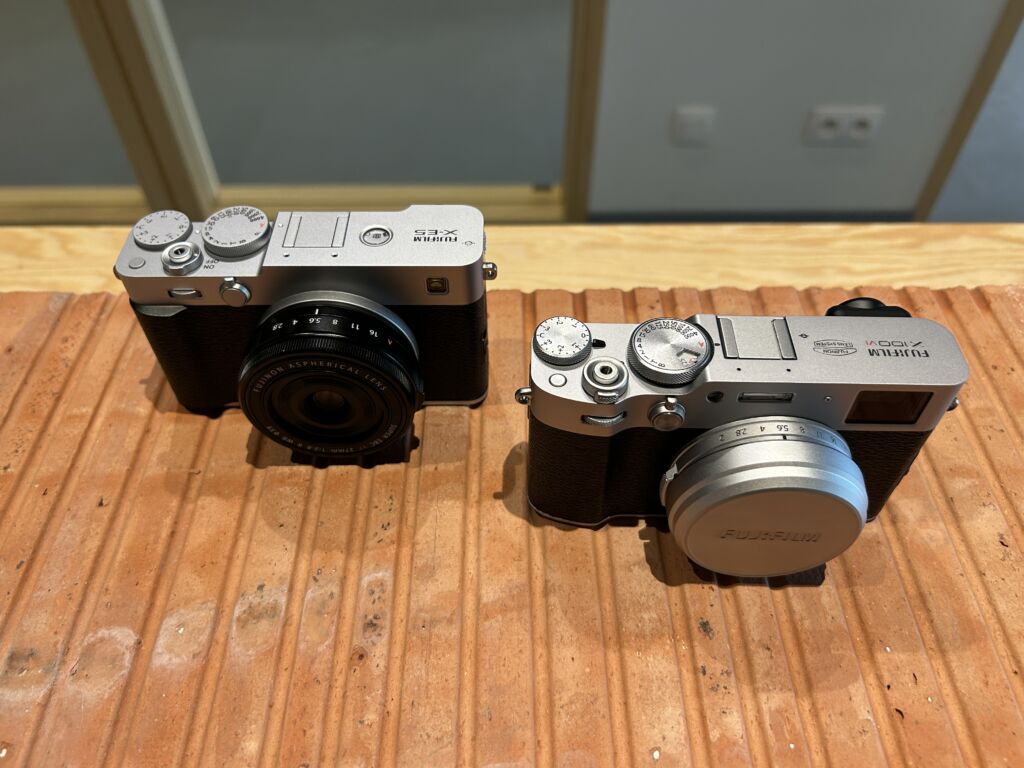
Designed for an evolving practice, the X-E5 suits photographers looking for a compact camera with greater room for customization. The dedicated film simulation dial, quick access to saved settings and framing assistance tools make it easier to adapt quickly to different shooting situations.
By contrast, the X100VI follows a more integrated and minimalist approach. The fixed focal length, hybrid viewfinder and built-in features encourage a direct and coherent shooting experience, with fewer adjustments to manage in the field.