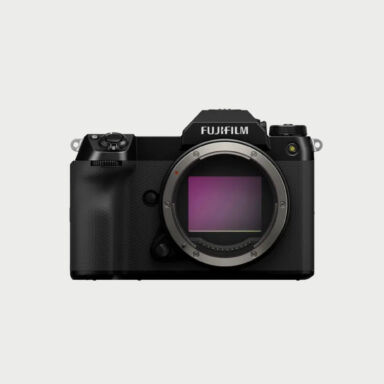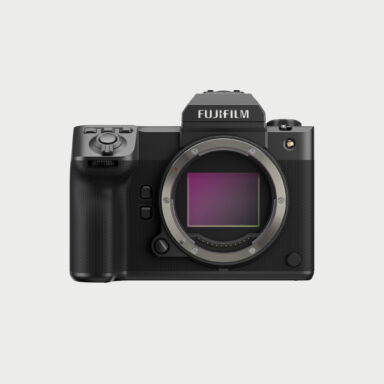






































With two closely related 102-megapixel cameras in its lineup, Fujifilm’s GFX system can be confusing to navigate.
Choosing between the Fujifilm GFX100S II and the GFX100 II is less about image quality, which is outstanding on both cameras, and more about how you actually work in the field, in the studio, or on hybrid photo/video projects.
Both models share the same sensor generation and image processor, but they are designed with different priorities in mind.
This article compares these Fujifilm GFX cameras and the goal is simple: help you understand the real-world differences, identify which camera fits your shooting style, and avoid choosing a model that is either overkill or too limited for your needs.
Table of contents
What do the GFX100S II and GFX100 II have in common?
At their core, the GFX100S II and the GFX100 II are built on the same technological foundation.
Both cameras feature Fujifilm’s 102-megapixel GFX CMOS II sensor paired with the X-Processor 5. This combination delivers exceptional image quality, high dynamic range, and consistent color rendering across the entire GFX lineup. In practical terms, files from both cameras offer the same level of detail, tonal depth, and post-processing flexibility.
They also share Fujifilm’s latest autofocus system, including AI-based subject detection, as well as the same advanced in-body image stabilization system rated at up to eight stops. This makes handheld shooting far more reliable than on previous GFX generations, even with high-resolution files.
Film simulations are identical on both models, including the addition of Reala Ace, along with advanced multi-shot modes such as Pixel Shift and Real Color, aimed at photographers who need maximum image fidelity.
In short, neither camera compromises on image quality, autofocus performance, or core photographic features.
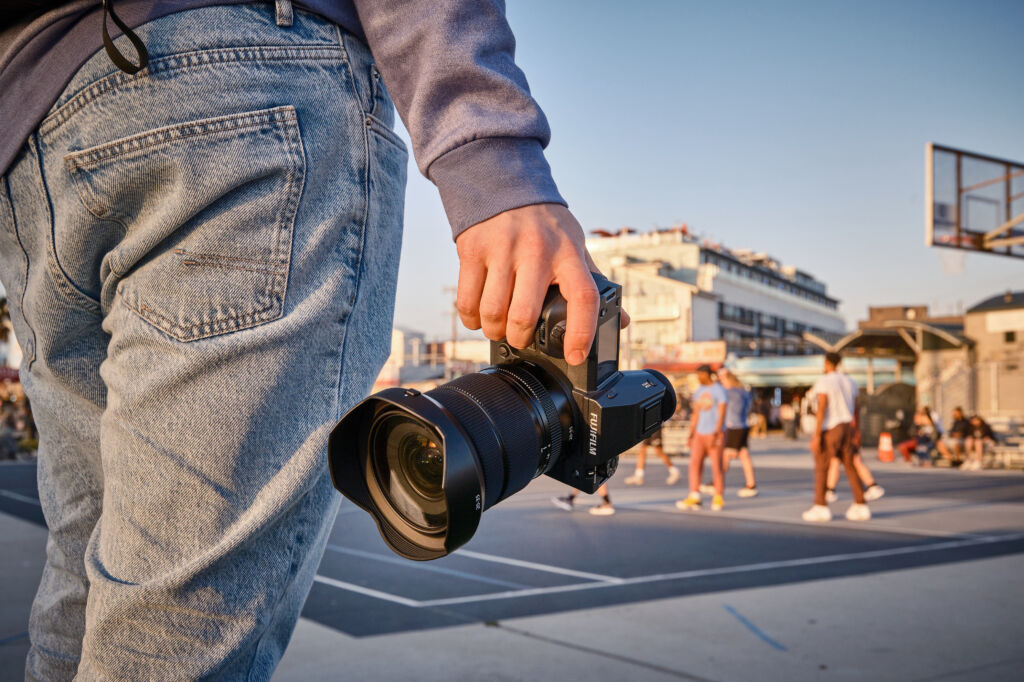

What are the key differences between the GFX100S II and the GFX100 II?
While they share the same sensor and processor, the GFX100S II and GFX100 II diverge clearly in design, ergonomics, and performance priorities.
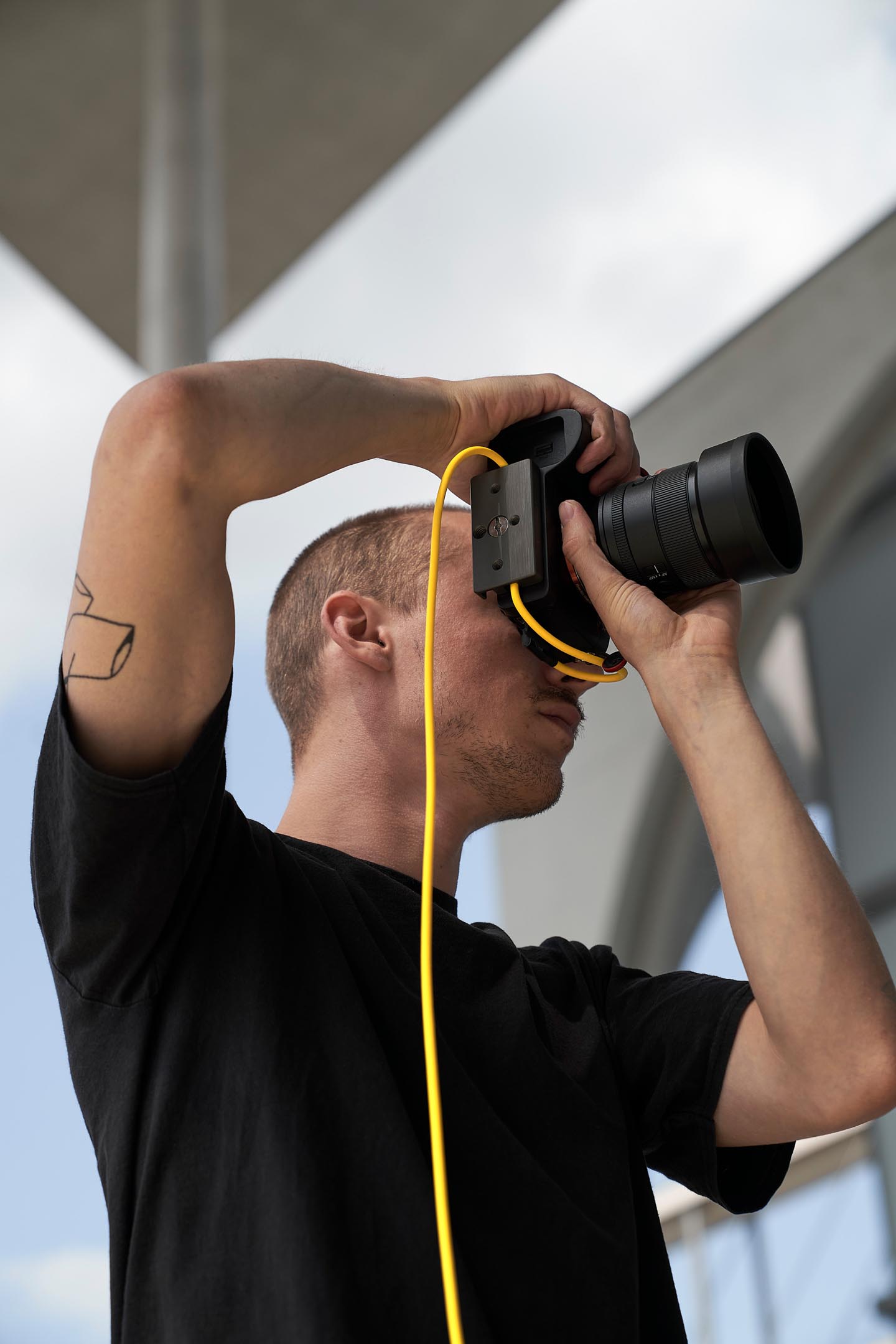
The most visible difference is size and weight. The GFX100S II is significantly lighter and more compact, making it the most portable 102-megapixel GFX camera to date. The GFX100 II, by contrast, is a larger flagship body designed for intensive professional use.
The electronic viewfinder is another major distinction. The GFX100 II features a higher-resolution EVF with full magnification, offering a more immersive and precise viewing experience. The GFX100S II’s viewfinder remains very capable, but it is clearly positioned as a more compact solution.
Video performance also separates the two models. The GFX100 II is designed as a true hybrid camera, offering advanced video formats and higher frame rates. The GFX100S II, while capable of recording high-quality video, is primarily oriented toward still photography.
Finally, buffer size and continuous shooting performance favor the GFX100 II, which is better suited to demanding workflows that require sustained bursts or heavy data throughput.

Choosing between the GFX100S II and GFX100 II in practice
Rather than focusing on specifications, the real question is how these differences translate into everyday use.
Which camera should you choose for commercial photography?
For studio and commercial photography, both cameras deliver identical image quality, making them equally capable in terms of resolution and color depth.
However, the GFX100 II offers advantages in controlled environments where weight is less of a concern. Its superior electronic viewfinder and larger buffer make it particularly comfortable for tethered shooting, commercial projects, and long studio sessions.
The GFX100S II remains an excellent choice for photographers who work on location and value a lighter setup.
Which camera is better suited for documentary and field photography?
For documentary, travel, and field photography, the GFX100S II clearly stands out.
Its lighter body and more compact form factor make it easier to carry for extended periods, while still offering the same image quality as the flagship model. The stabilization system also makes handheld shooting more practical in real-world conditions.
The GFX100 II can still be used for this type of work, but its size and weight make it better suited to photographers who prioritize performance over portability.
Which camera should you choose if video matters to you?
If video is a significant part of your workflow, the GFX100 II is the more appropriate choice.
Its advanced video formats, higher resolutions, and stronger internal performance make it suitable for professional hybrid workflows where photo and video are equally important.
The GFX100S II can handle occasional video use, but it is not designed as a video-centric tool and is best viewed as a still-focused camera with video capabilities rather than a full hybrid solution.
Final recommendation: GFX100 II or GFX100S II?
Choose the GFX100S II if:
- Portability and a lighter body matter in your daily photography
- You primarily shoot stills and value a compact medium-format setup
- You want the latest GFX sensor and processor without the size of the flagship model
- Video is not a central part of your workflow
Choose the GFX100 II if:
- Advanced video capabilities are important to your work
- You shoot in studio, commercial, or controlled environments
- You need the best possible electronic viewfinder and buffer performance
- You work with demanding hybrid photo/video workflows