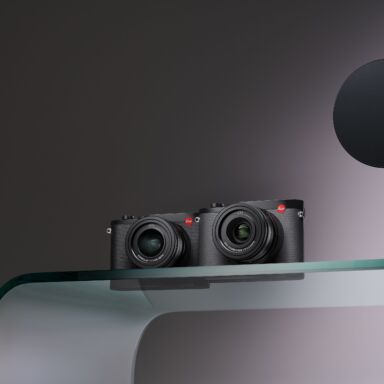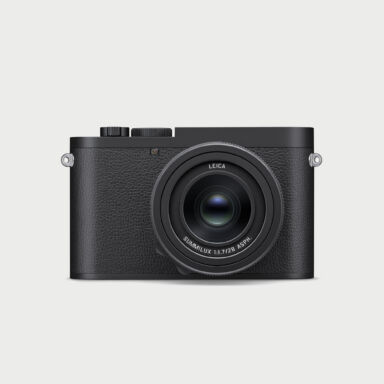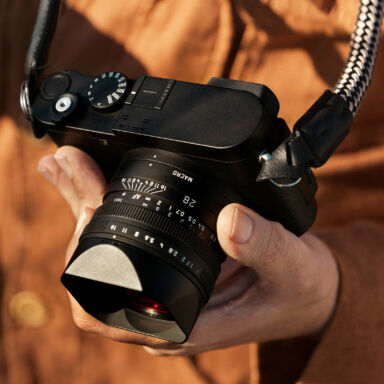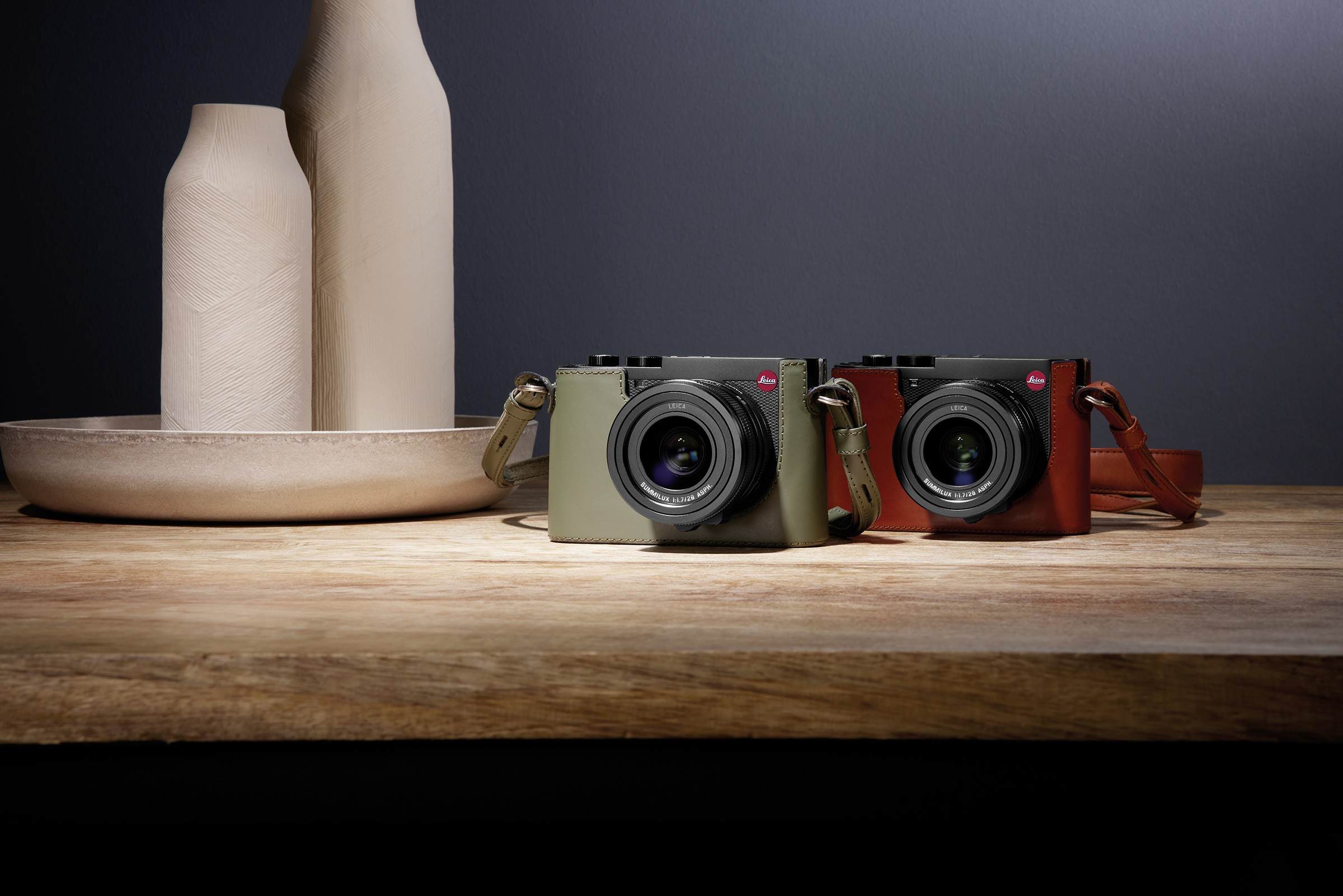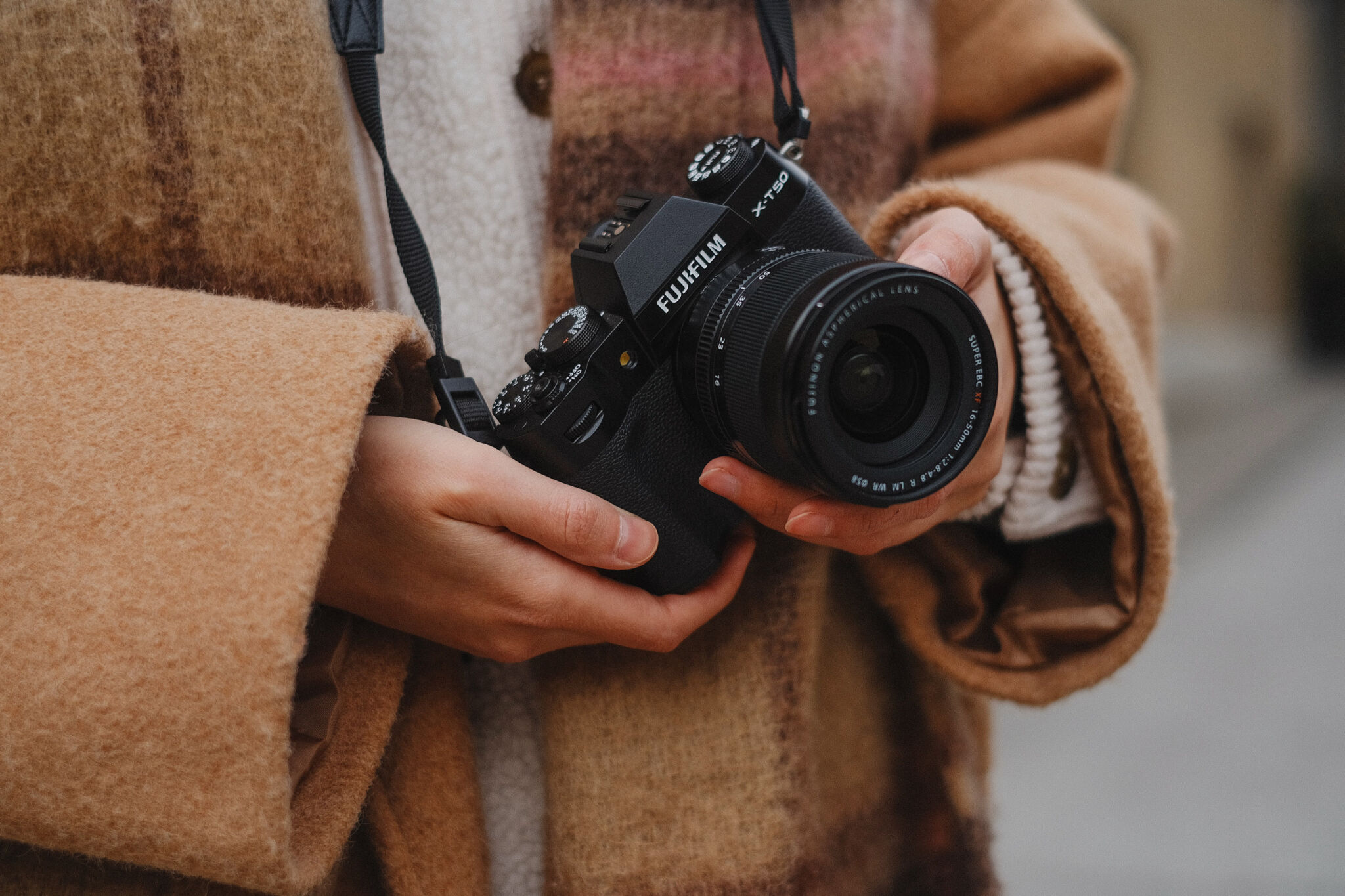
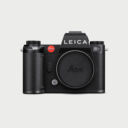

























Are you looking for a compact camera and hesitating between the different models in the Leica Q range?
All models are built on a shared foundation and follow the same philosophy: a 60 MP full-frame compact designed for direct, intuitive shooting, with no compromise on image quality.
The Q cameras are primarily distinguished by their approach to framing, their relationship to the subject, and, in the case of the Monochrom, by a vision entirely dedicated to black and white.
The choice is therefore not driven by major technical differences, but by the way each camera supports your personal way of photographing.
In this article, we help you identify the model that best matches your photographic practice, so you can make the most appropriate choice.
Table of contents
Why choose the Leica Q range?
The Leica Q series is designed for photographers who value a direct and efficient approach. It combines a full-frame sensor with a high-quality fixed lens (28 mm or 43 mm), delivering an excellent level of detail within a coherent and well-balanced system.
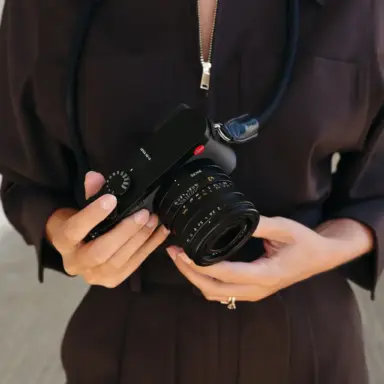
This technical choice ensures quick handling and a fluid shooting experience. The camera remains compact and easy to carry, allowing the photographer to focus on composition and the subject, without unnecessary settings or distractions.
What truly differentiates the Leica Q models
The differences within the Leica Q range are based on simple yet decisive choices. They mainly relate to the lens paired with each camera and, in the case of the Monochrom, to image rendering driven by a sensor dedicated to black and white.
Two focal lengths, three ways of composing
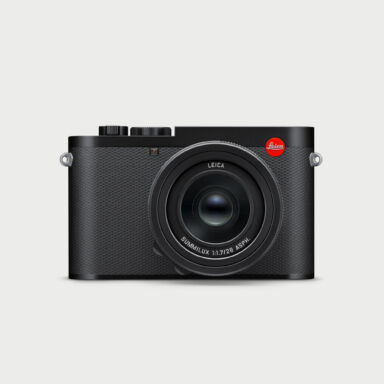
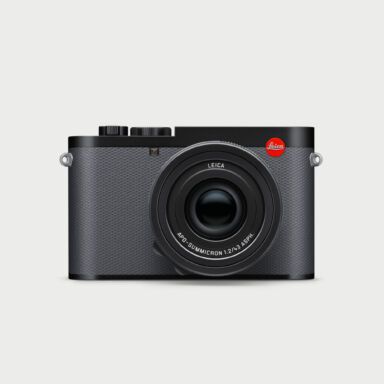
Focal length defines the field of view and the structure of the image. The Q3 and Q3 Monochrom are equipped with a 28 mm lens, allowing more elements to be included in the frame and encouraging a more open composition. The Q3 43, on the other hand, features a 43 mm lens, offering a tighter perspective that places greater emphasis on the subject and simplifies image reading, with more structured framing.
The relationship to the subject and the environment
Focal length directly influences the distance between the photographer and the subject. With a 28 mm lens, shooting typically takes place closer to the scene, leaving more room for the environment and strengthening the contextual dimension of the image.
With a 43 mm focal length, the shooting distance increases slightly. The subject is more easily isolated, and the environment becomes secondary. This distinction changes the way a scene is approached and guides the photographic process toward a more immersive or more focused approach, depending on the Leica Q model chosen.
Which Leica Q should you choose based on your type of photography?
Depending on the subjects and scenes you photograph most often, one of the three models may feel more natural than the others.
Street photography and reportage
For street photography and reportage, responsiveness and the ability to read a scene quickly are essential. The Q3 and Q3 Monochrom, with their 28 mm lens, make it easier to work with wide framing and to integrate the surrounding environment.
The Leica Q3 Monochrom also offers a dedicated black-and-white approach, naturally enhancing contrast, textures, and the interplay of light. This more graphic interpretation is particularly well suited to street photography, where form and detail often take precedence over color.
Portrait and more deliberate photography
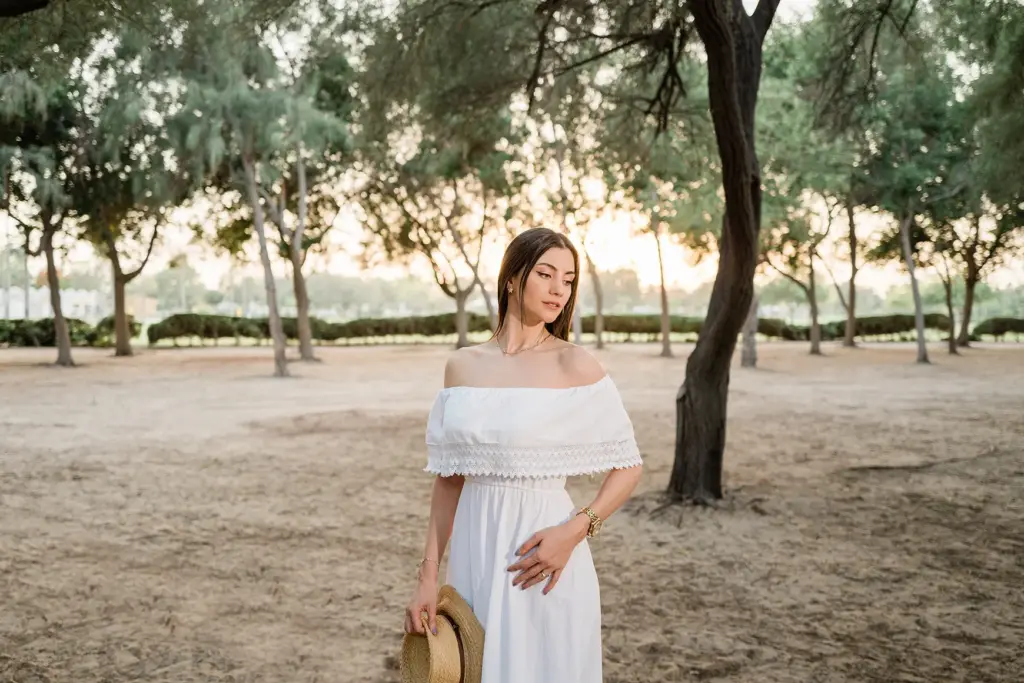
For portrait work and a more deliberate shooting style, the Q3 43 stands out thanks to its 43 mm lens, which allows the subject to be isolated more easily and supports tighter, more controlled framing. The shooting distance is more comfortable, and composition feels more precise.
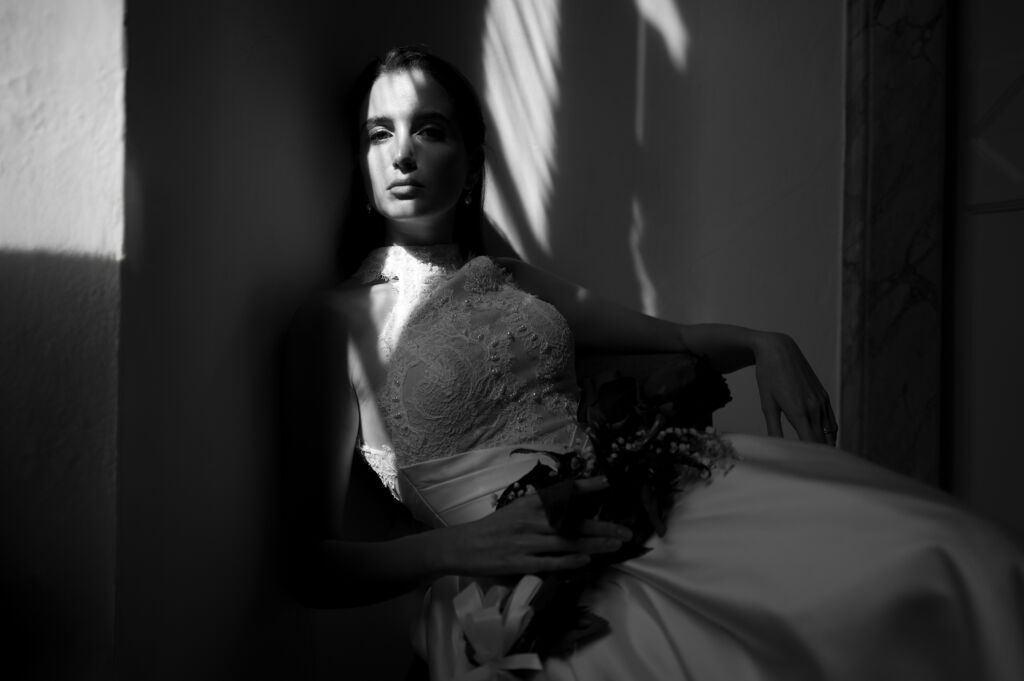
The Q3 Monochrom can also be relevant in this context. Its black-and-white sensor emphasizes contrast and subtle tonal gradations, offering a more direct reading of faces and textures, without the distraction of color.
Travel and versatile use
When traveling, versatility remains a key criterion. The Q3, with its focal length, adapts easily to a wide range of situations: landscapes, street scenes, architecture, and spontaneous photography.
In summary, which Leica Q compact camera should you choose?
Rather than comparing specifications, choosing a Leica Q is primarily about how you shoot and how you approach photography.
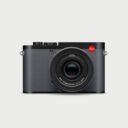
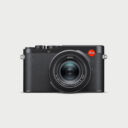
- If you are looking for a versatile camera suited to wide scenes and spontaneous shooting, the Q3 camera is a strong option. Its angle of view makes it easy to include the environment, making it particularly well suited to street photography, reportage, and travel.
- If your practice is more subject-focused, the compact Q3 43 is a coherent choice. Its 43 mm focal length allows for tighter framing, makes subject isolation easier, and encourages more structured compositions, especially for portrait work or more deliberate scenes.
- Finally, if you favor an exclusively black-and-white approach, the Q3 Monochrom body offers a distinct proposition. Dedicated to monochrome rendering, it emphasizes contrast, texture, and form. It is well suited to practices where the absence of color strengthens image interpretation, such as street photography, portraiture, or more personal projects.