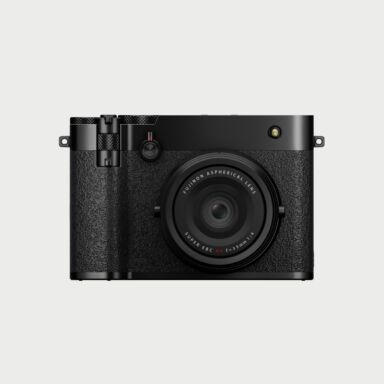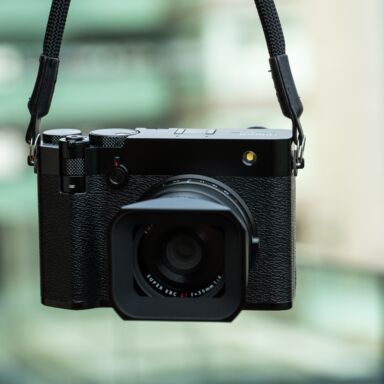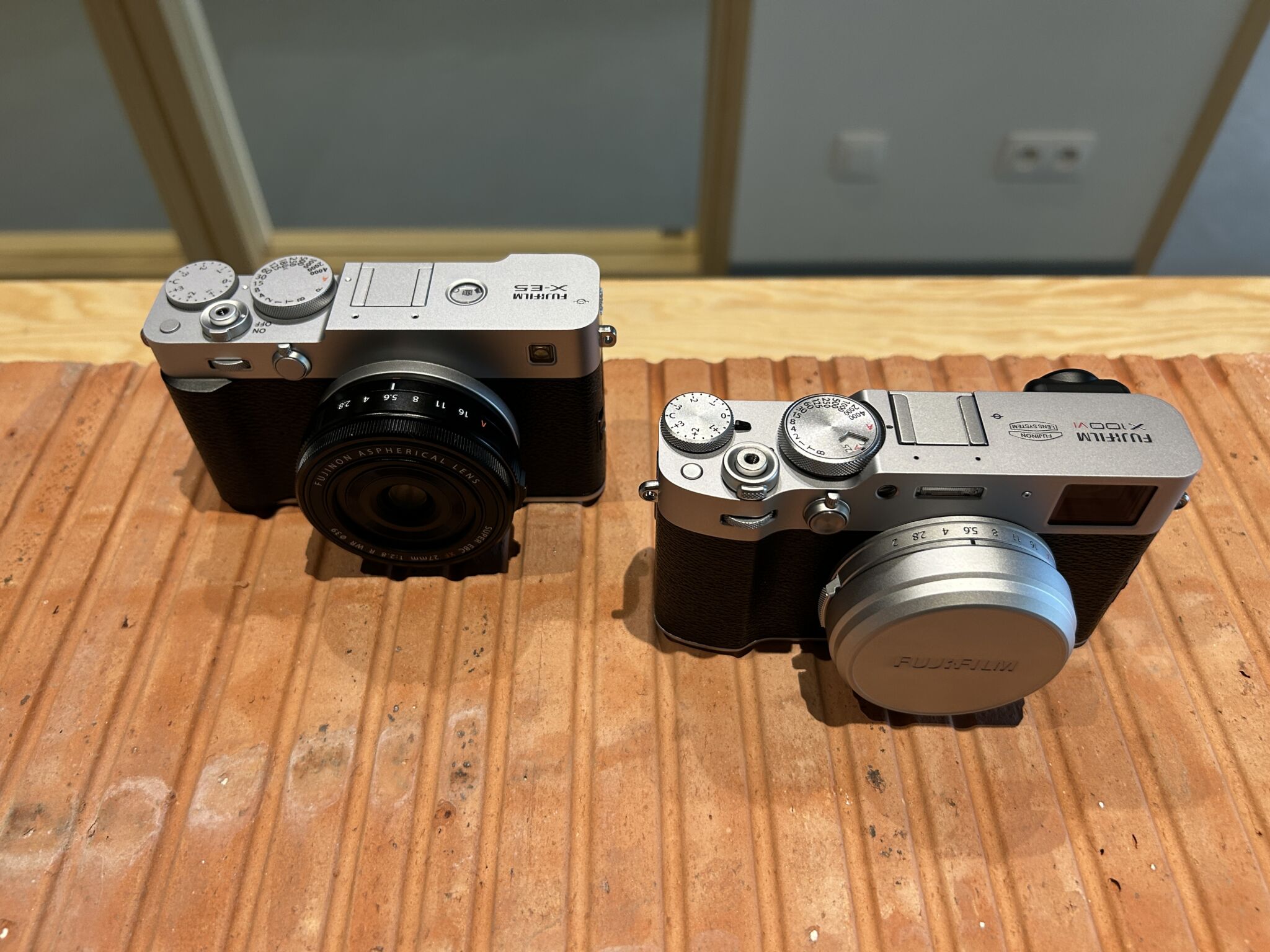





























Today, many photographers are looking for a compact camera capable of delivering high image quality without sacrificing ease of use or mobility. These cameras are aimed at those who want to work with a demanding tool while remaining lightweight and discreet.
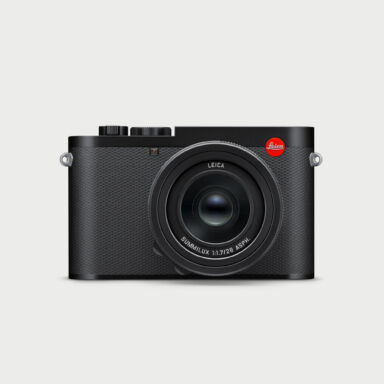
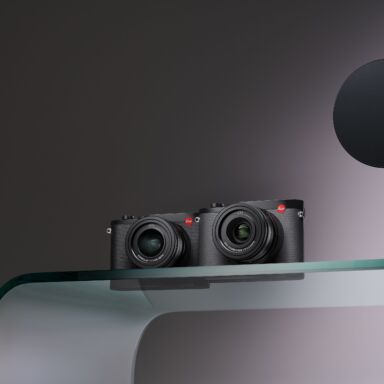
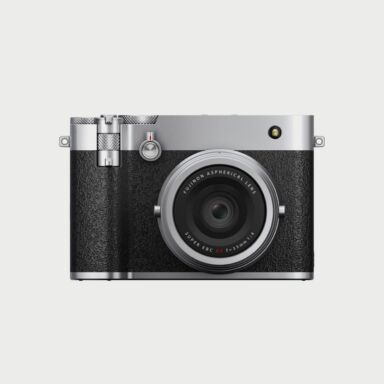
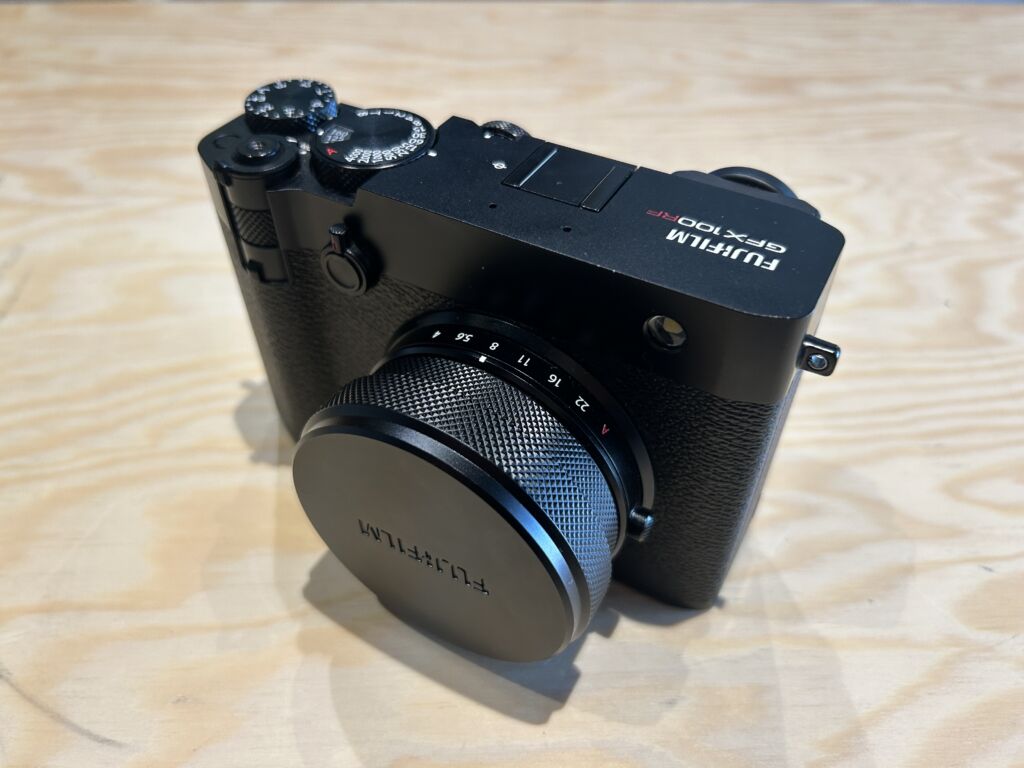
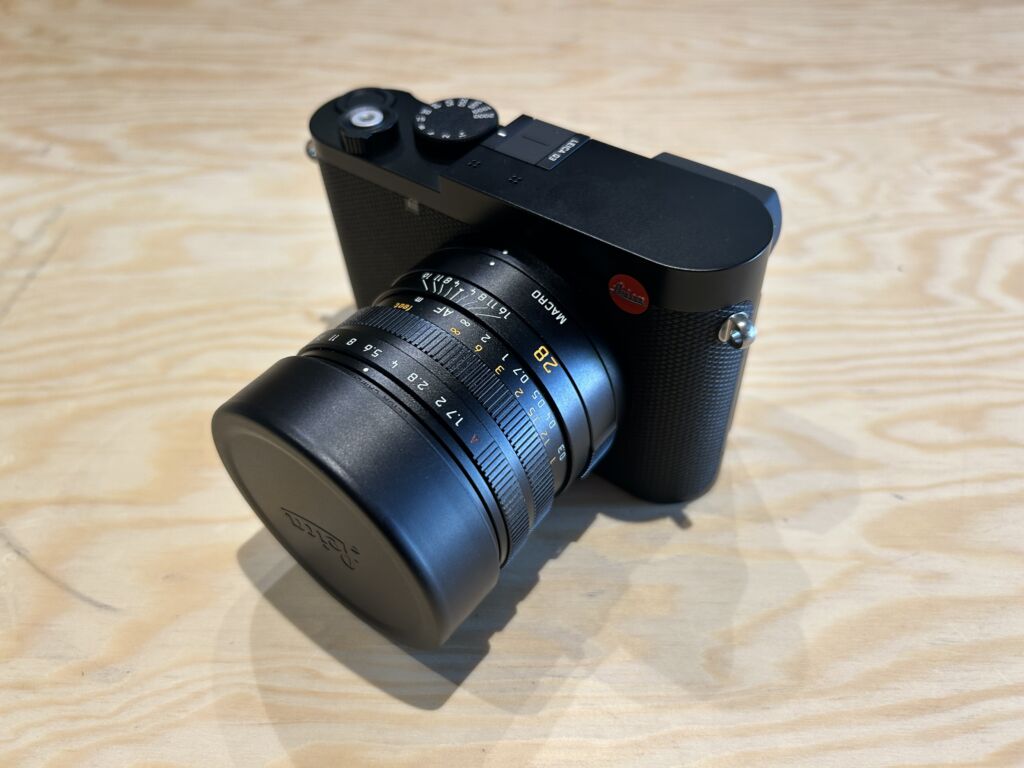
Among the current models, the Leica Q3 and the Fujifilm GFX100RF stand apart. Both claim a high-end approach to the fixed-lens compact, but with very different choices in terms of shooting style, image rendering, and user experience.
In this article, we compare these two cameras through their philosophy, real-world use, and the types of photography they are best suited for, in order to help you identify which one truly matches your practice.
Table of contents
Why these two cameras are often compared
These two cameras are frequently compared because they occupy a similar position in the high-end compact camera market. Their positioning, form factor, and photographic approach explain why they are often considered side by side when making a purchasing decision, despite their distinct philosophies.
Two high-end fixed-lens compact cameras
Both compact cameras are based on a fixed-lens design, intended to deliver a simple and consistent shooting experience. The Leica Q3 and the Fujifilm GFX100RF both offer a field of view equivalent to 28 mm, a focal length valued for its versatility and its ability to place the subject within its environment.
Despite this similar framing, their image rendering differs. The GFX100RF uses a medium format sensor with a 4:3 aspect ratio, while the Leica Q3 relies on a full-frame sensor with a 3:2 aspect ratio. This difference in format affects composition and image perception, with proportions that guide the viewer’s eye in distinct ways.
Different approaches to photography
Although these two cameras are often compared, they are built around different intentions. Their choices in focal length, rendering, and ergonomics directly influence framing, subject distance, and shooting pace. The comparison therefore goes beyond technical specifications to focus on the photographic experience itself.
The difference in approach is most noticeable in depth-of-field control. The Leica Q3 allows for stronger subject separation, while the Fujifilm GFX100RF offers a more uniform rendering of the scene.
In both cases, these wide-angle focal lengths are designed to integrate the subject within its environment rather than to strongly isolate a specific detail.
Which camera body should you choose based on your photographic practice?
The choice between these two bodies depends primarily on the way you photograph and the situations you encounter most often. Street photography, versatile use, or a hybrid photo-video practice: each body responds differently to real-world constraints and to the photographer’s expectations.
Street photography
For street and light reportage use, responsiveness and freedom of movement are essential. The Leica Q3 feels particularly at ease here thanks to its built-in image stabilization, which allows handheld shooting in changing light conditions without major constraints.
The GFX100RF adopts a more deliberate approach: the absence of stabilization encourages greater anticipation of settings and the use of safer shutter speeds, which may suit a more considered approach to street photography.
Versatile photography
For versatile use, travel, landscape, everyday scenes, both cameras offer a different interpretation of the scene. The Q3 provides greater flexibility in varied situations, especially indoors or at the end of the day, thanks to its stabilization and wider aperture.
The GFX100RF favors a more structured image approach, with very consistent rendering and compositions that benefit from the medium format sensor, at the cost of higher demands on shooting conditions.
Hybrid photo and video practice
In a hybrid photo-video workflow, the differences become more pronounced. The Leica Q3 offers advanced video capabilities, including 8K and 4K recording up to 60 fps, meeting the needs of more demanding content creation.
The Fujifilm GFX100RF, more photography-oriented, is limited to 4K but includes microphone and headphone ports. A relevant choice for those who want direct control over audio at the time of capture, even within a more occasional video use.
User experience above all
Ergonomics and operating logic directly influence the way photographers work on a daily basis. The Leica Q3 and the Fujifilm GFX100RF offer two distinct approaches: one prioritises simplicity and fluid operation, the other focuses on customisation and direct access to settings.
Handling and everyday ergonomics
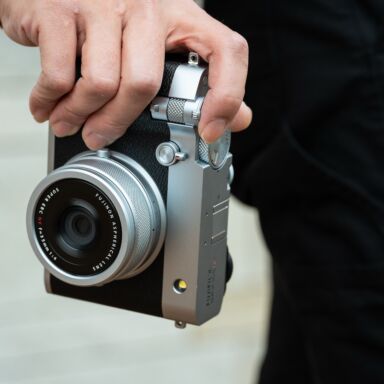
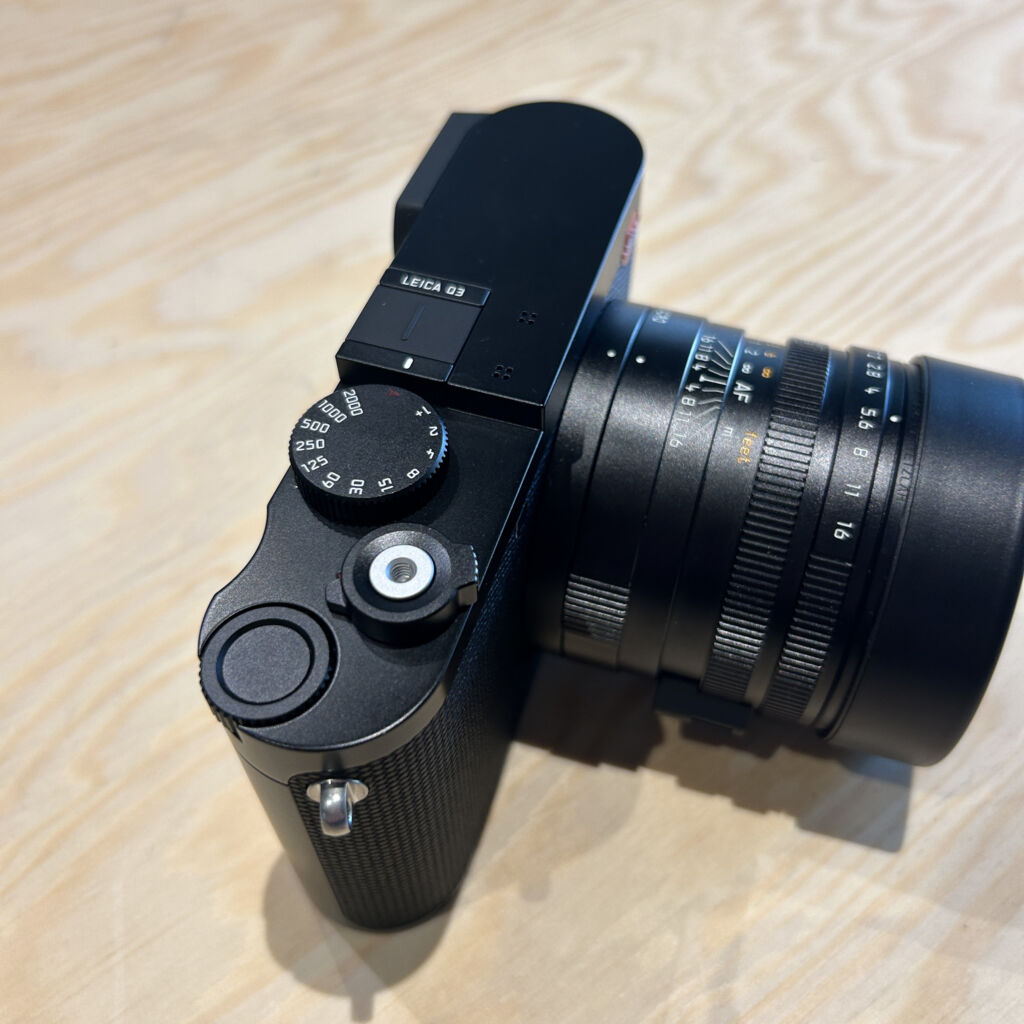
Both cameras feature high-end construction, with design choices that reflect their respective philosophies. The GFX100RF stands out with its machined aluminium top plate and a slightly wider body, while the Leica Q3 adopts a fully metal construction that is more compact in depth and more discreet in hand.
In use, the GFX100RF offers a rear screen that remains highly readable outdoors, with a smooth tilting mechanism well suited to daytime shooting or waist-level compositions. The Q3 features a more discreet tilting screen, consistent with a minimalist approach and fast, intuitive use, closer to spontaneous photography.
Customisation and menu logic
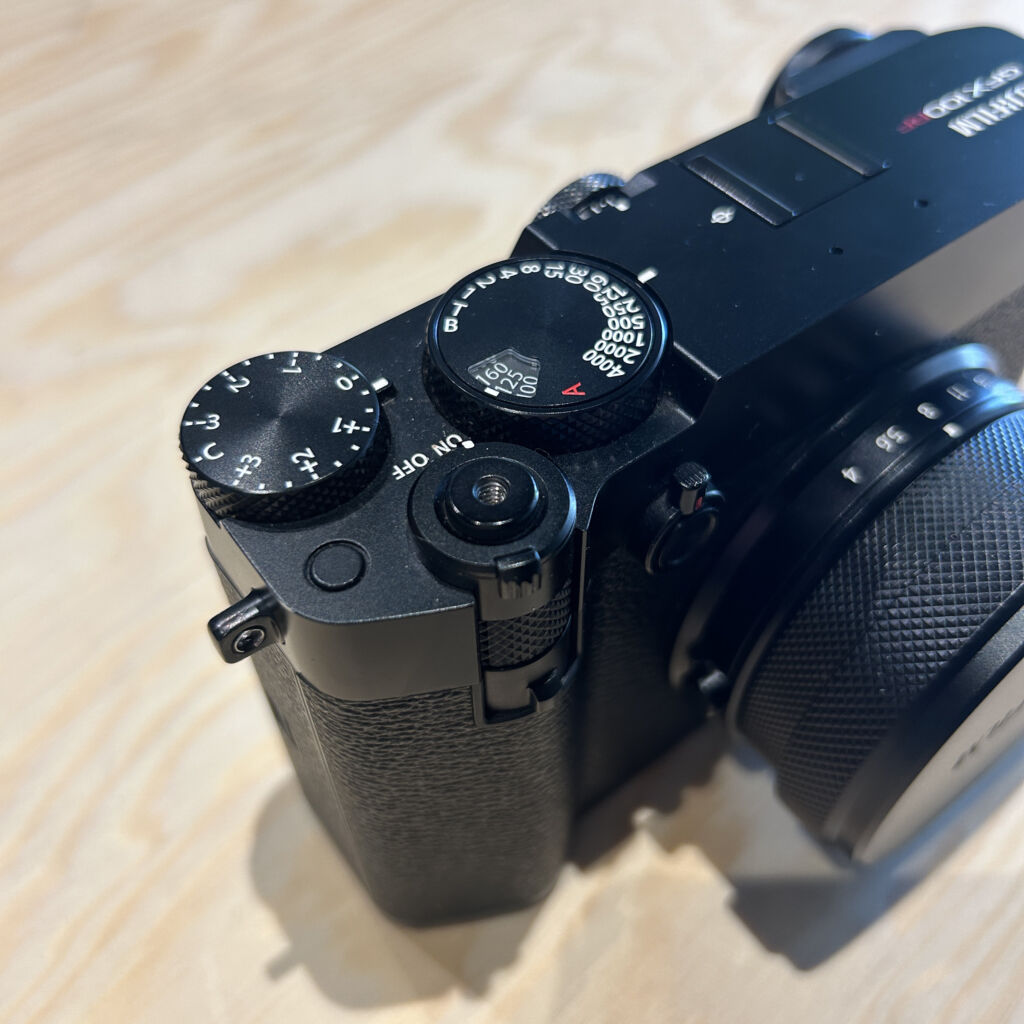
Ergonomics and menu design reflect two clearly different philosophies. On one hand, the Q3 offers a deliberately minimalist interface, with few physical controls and streamlined navigation, favouring ease of use and focus on the image. This approach can, however, require more frequent menu access for certain adjustments.
On the other hand, the GFX100RF adopts an ergonomics concept centred on customisation and direct control. The ability to assign functions to various dials, combined with dedicated controls, makes it easier to adapt the camera to individual workflows and improves responsiveness in the field.
These choices influence the shooting rhythm: one prioritises simplicity and consistency, the other flexibility and efficiency when adjusting settings.
A distinct image signature for each brand
The difference between the Q3 and the GFX100RF is most noticeable in image rendering. The Q3 is built around a 60 MP full-frame sensor, delivering a balanced and versatile image output suited to a wide range of uses.
The GFX100RF goes further in terms of resolution with its 102 MP medium format sensor, particularly well suited to detail-rich scenes such as landscape or architecture.
Both cameras offer a color rendering that remains true to their respective brand identities. The choice is therefore driven more by visual preference than by pure performance criteria.